How the business world refers to company stages of evolution can be, at times, a little confusing.
Funding rounds are often referred to as ‘Series A’, ‘B’, ‘C’, etc. (mainly in the US), or ‘First Round’, ‘Second Round’, etc. (in the UK). It’s second nature to think of startup investment in this way, with companies, investors, and the press all relying on these terms.
However, despite their prominence, there are issues arising from traditional life cycle labels. This is due to inconsistent definitions and increasing round sizes. What these different series and round categories actually mean can vary hugely by sector, country, or investor type.
For instance, at the time of a ‘Series C’ fundraising, a three-year-old pharmaceuticals firm may still be in pre-clinical trials, whilst a software venture may be one of the biggest emerging companies in the world.
A cross-sectoral classification system is necessary. It allows you to conduct more informed analyses, and reliably identify key trends, areas of potential, or industries that are currently underfunded. But the current system lacks nuance.
The industry needs terminology that consistently, and impartially, classifies a company’s stage of evolution — so here’s our solution.
How do we track a company's stage of evolution?
Here at Beauhurst, we monitor every company in the UK and Germany, giving a comprehensive overview of both nations’ business economy.
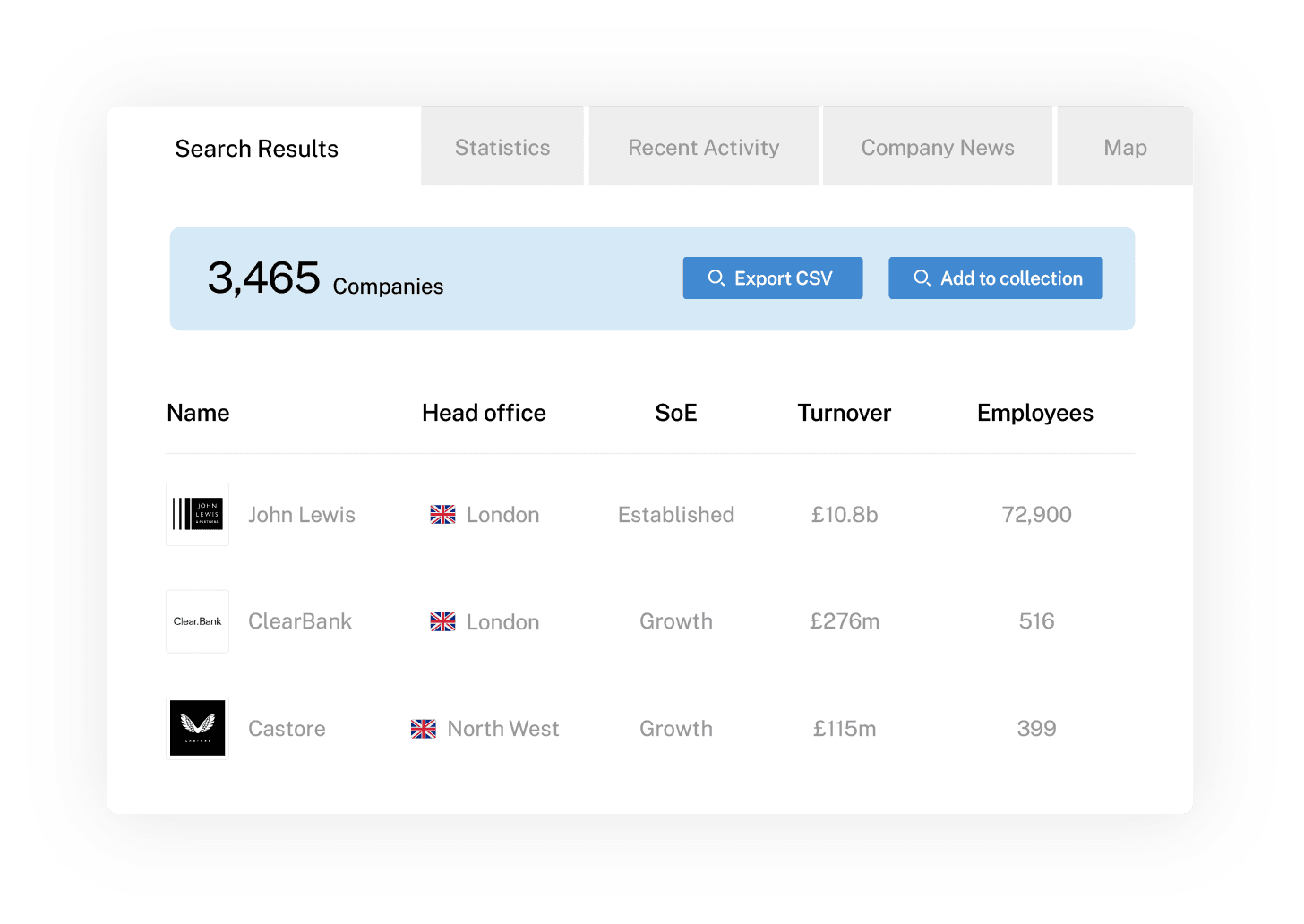
As part of this, our Data team marks relevant companies with a life cycle stage as one of: Seed, Venture, Growth, Established, Exited, Zombie, or Dead. Similarly, the fundraisings held by businesses at these stages are classified to match.
Using our methodology, while a pharma company operating at the Seed-stage and a software company operating at the Growth-stage might both self-report a Series C round, we’d classify them as Seed-stage and Growth-stage rounds.
And the Beauhurst platform gives you a comprehensive timeline, showing how companies grew to each stage and the different types of funding and support they used along the way.