For universities, demonstrating the positive impact of their teaching and research is key. Significant demonstrable impacts — like research breakthroughs that benefit our health and environment — drive many positive feedback loops. They attract the best researchers, who in turn attract the best students, who are then highly sought-after by employers — or who set up their own companies to translate their research into products and services that contribute to society. These companies create huge impact through their growth and success, and hire graduates, sponsor research, and support the university, ensuring it can continue to provide world-class education and attract the best students.
At Cambridge University, the Department of Computer Science and Technology maintains a list of companies founded by its graduates and staff. The “Hall of Fame”, as it’s known in the Department, celebrates their achievements (through annual awards) and supports this positive feedback loop, helping the Department stay in contact with its alumni and their companies, and providing contacts and opportunities to students and graduates. These businesses have the potential to offer immense long-term benefits to the University, the Department, and its current students—from funding and research collaboration opportunities to mentoring and recruitment.
Hall of Fame companies range in size from small start-ups to influential firms like Arm and Raspberry Pi. DeepMind, one of the best-known, was acquired by Google in 2014 and is developing AI tools that have the capacity to greatly speed up discoveries in areas of science from health to the environment.
But as a static list of company names and founders on their own, the Hall of Fame offers little insight into how successful all the companies have become. Without structured information, up-to-date data, or visibility on their current status, it was difficult to measure their true impact.
To address this, Stephen Allott, co-founder of the Department’s alumni association, reached out to Beauhurst and asked if we could measure the success of these ventures and demonstrate the positive influence they’ve had. By gaining a clearer picture of where these companies are today, the goal was to show just how valuable this entrepreneurial community is, thereby building a strong case for continued investment in alumni relations and support—ensuring that the Department remains connected with these high-impact founders and nurtures the next generation of innovators.
The resulting analysis confirms the extraordinary value of the Hall of Fame companies and the wider graduate association—not only to the Department of Computer Science and Technology and the University of Cambridge, but to society and the economy as a whole. These companies are a powerful asset and a major differentiator for both the Department and the University.
“We’re often asked about the impact of our research work” says Professor Alastair Beresford, Head of the Computer Science Department. “Taking innovations to market is a necessary part of the journey for many new ideas, and we are proud of the hard work of many of our staff, students and alumni who have started companies to transition our academic innovations into societal impact. Beauhurst’s analysis of these companies allows us to quantify the impact of these activities for the first time.”
The impact of Computer Science graduate companies
Our analysis demonstrates that Hall of Fame companies currently generate a combined annual revenue of £7.6 billion, have a combined valuation of £145 billion, and employ over 28,000 people.
Combined turnover per annum: £7.6b
Combined valuation: £145b
Total equity raised: £1.8b
Total employees: 28.4k
In total, 20% of Hall of Fame companies have been acquired, releasing £6.3 billion of value to these companies’ founders and investors. Acquirers include Google, Amazon, Microsoft, NVIDIA, and HP.
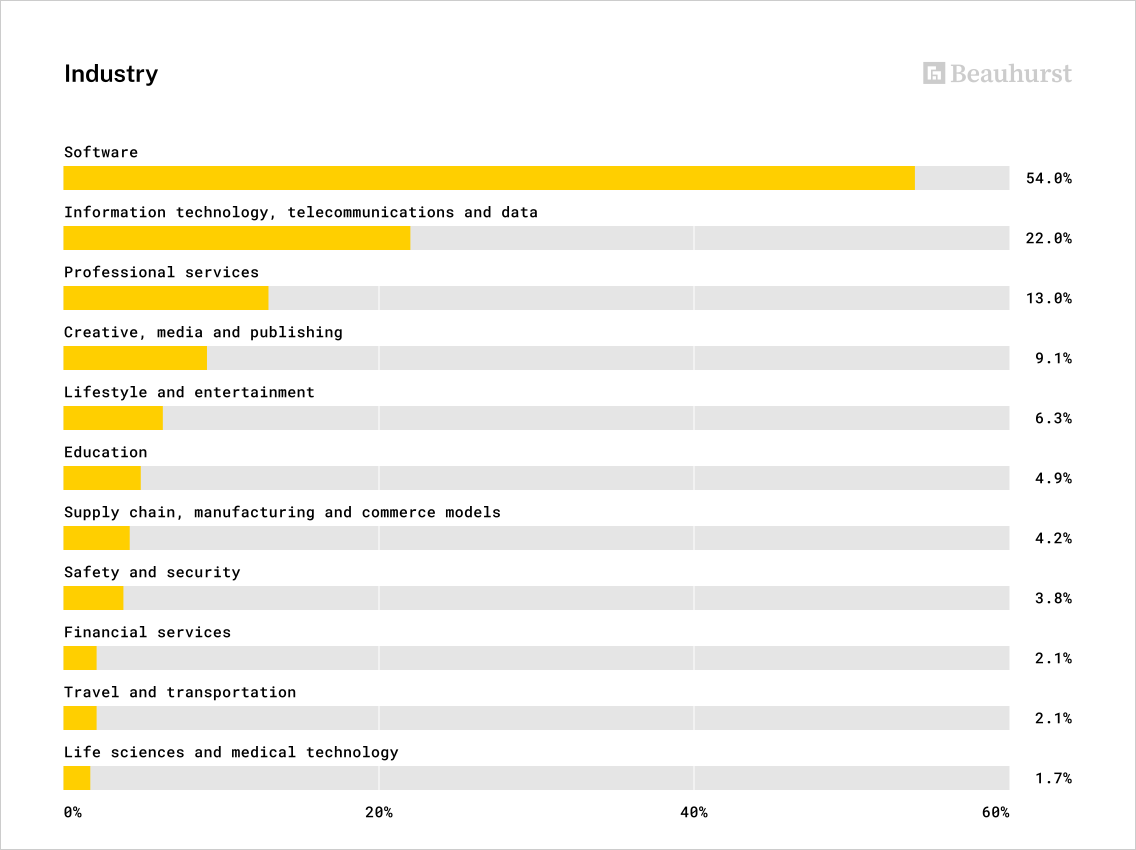
Hall of Fame companies operate primarily within the software, IT, and data industries.