There is a fundamental shift underway in legal services: clients increasingly expect their advisors to anticipate issues long before they materialise. Gone are the days when firms could simply react to needs as they emerged. High-growth businesses move fast, and they want advisors who can keep up — not just with technical expertise, but with commercial awareness.
This shift is creating a new competitive advantage in legal practice: the ability to spot opportunities six months before clients actively seek help.
This article breaks down the predictive signals that reliably precede legal work, how legal teams can monitor them at scale, and how legal teams can use Beauhurst to reach clients before their competitors do.
The problem: Traditional legal research is too surface-level
Many law firms still work with surface-level information, such as:
- Companies House data filed months late
- Press releases that lag behind decisions
- Old directory listings
- Generic sector reports
- Partner memory
But real company behaviour is far richer than these sources reveal — and far more dynamic. Growth-stage organisations pivot constantly. They hire, restructure, raise, launch, and invest with extraordinary speed.
Surface-level data shows the what after the fact. Predictive signals show the why and what’s coming next.
Historically, BD teams attempted to map future activity by manually piecing together fragmented sources: a Companies House filing here, a LinkedIn update there, maybe a rumoured investment round. This was slow, imprecise, and usually too late.
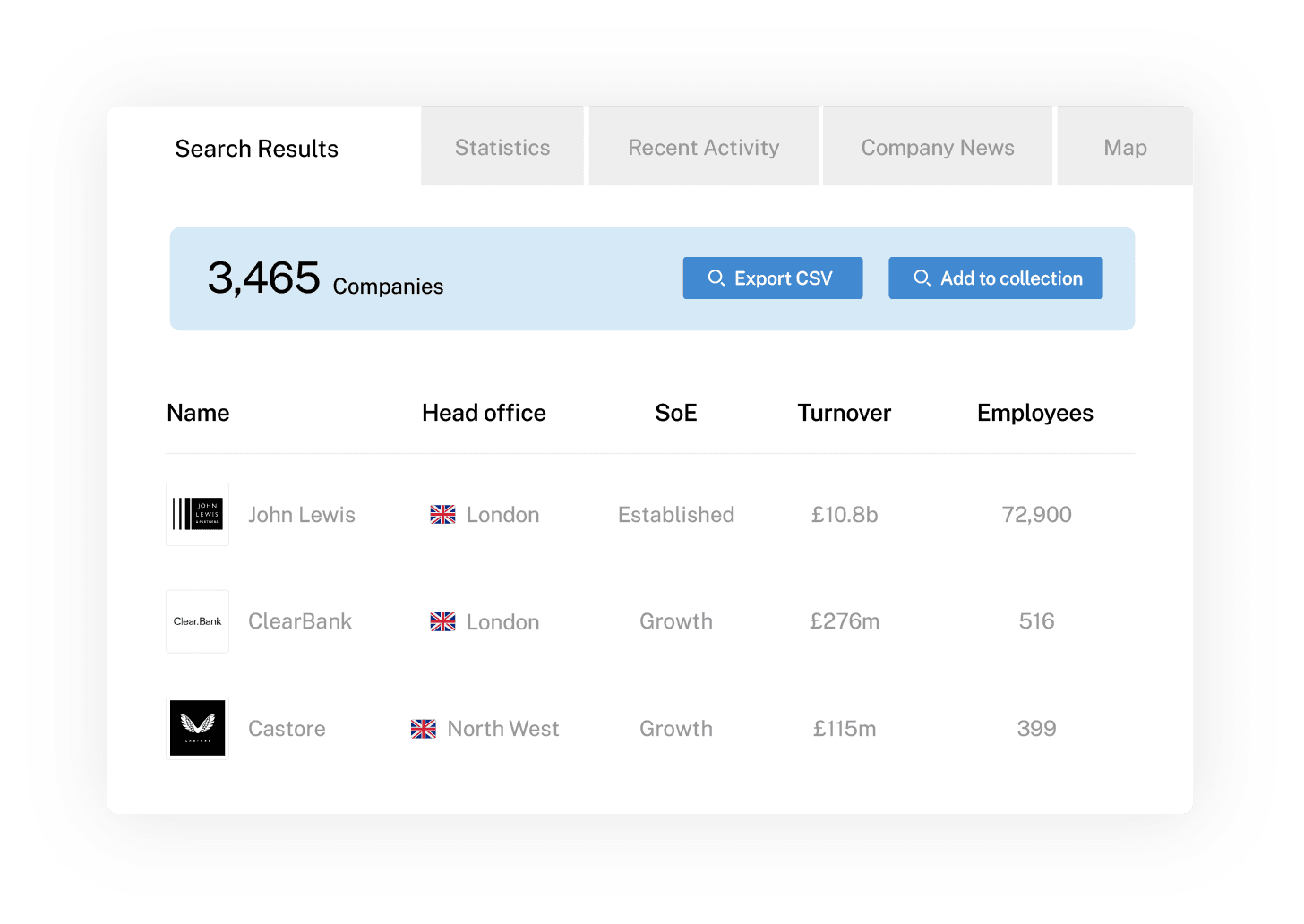
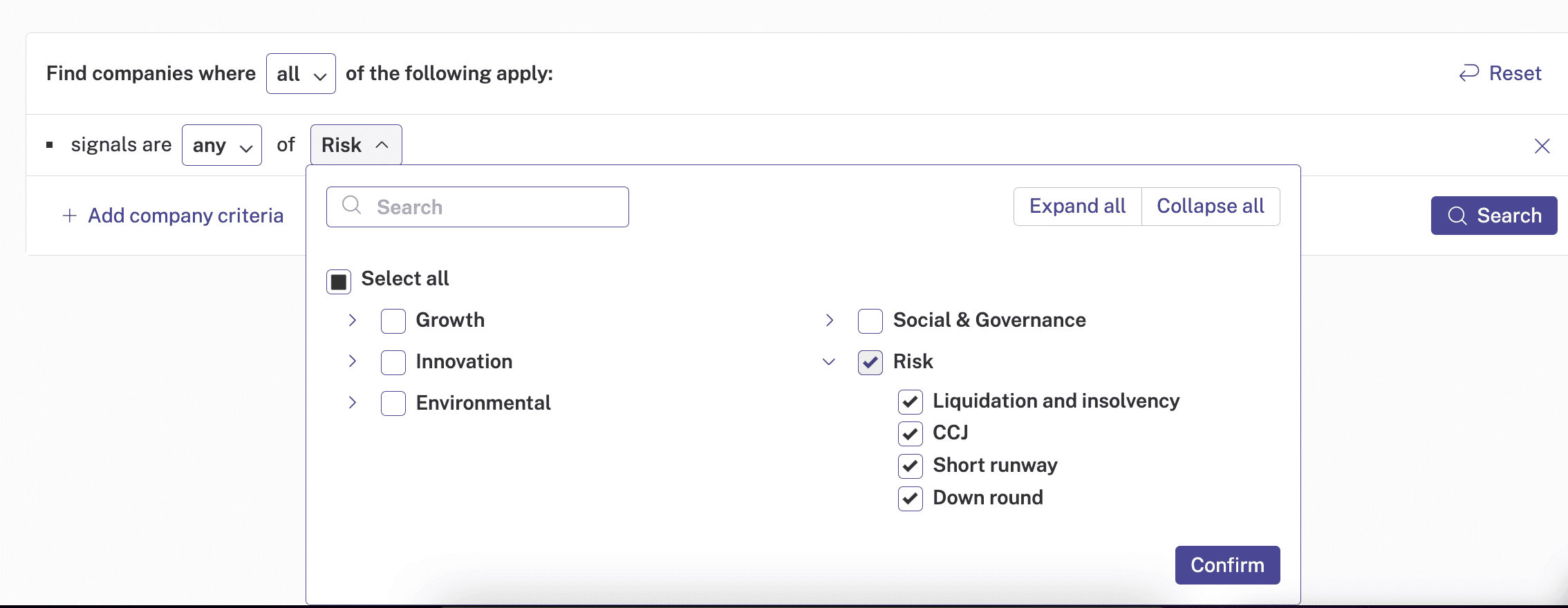
But with Beauhurst, you can see it all. Beauhurst consolidates the entire behavioural landscape into one platform. It tracks:
- Leadership appointments and resignations
- Financial transactions
- New subsidiary or SPV creation
- Cap table movements
- Holdings and group structure reorganisation
- Hiring spikes and headcount decline
- Credit and financial signals
- Event-based triggers indicating expansion or distress
- Company news and updates
What emerges is not just data, but commercial patterns. Lawyers can see early indicators of corporate activity long before traditional research would reveal them. This is the difference between reacting to client needs and anticipating them.