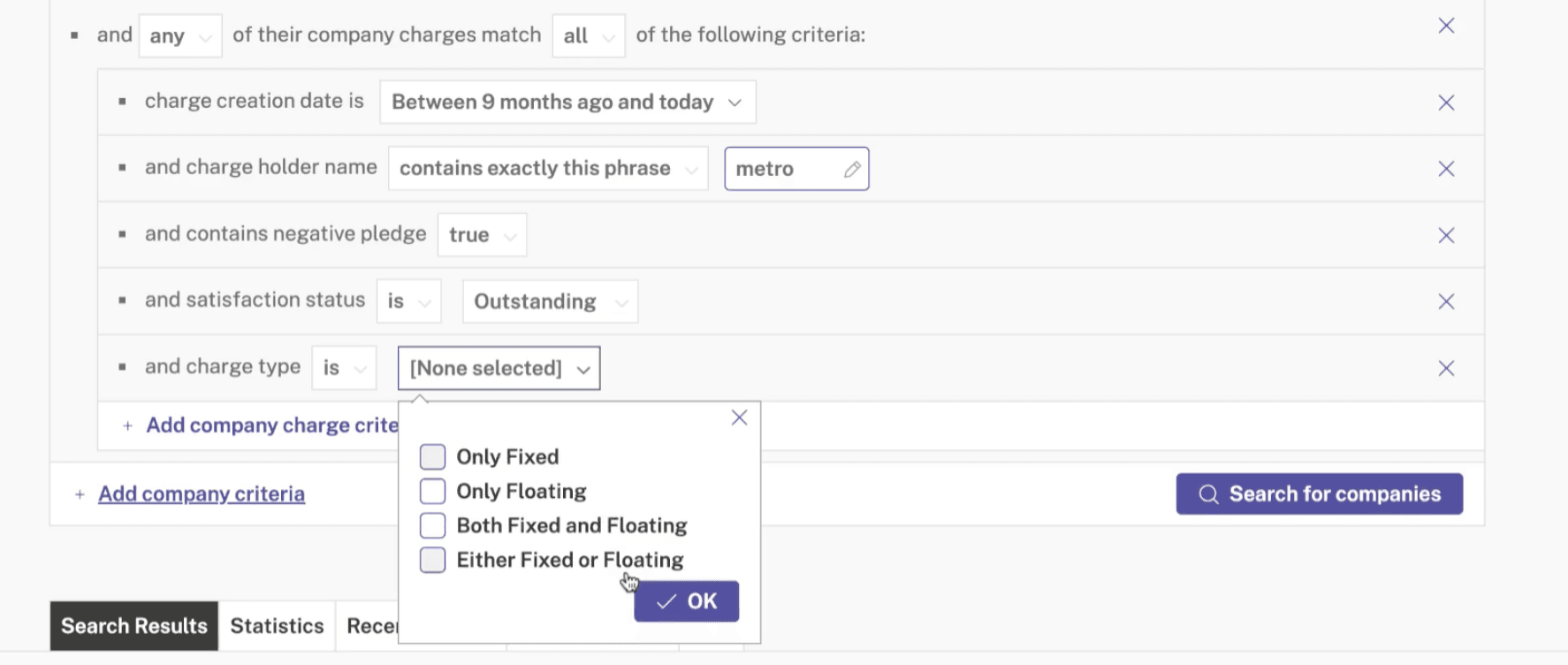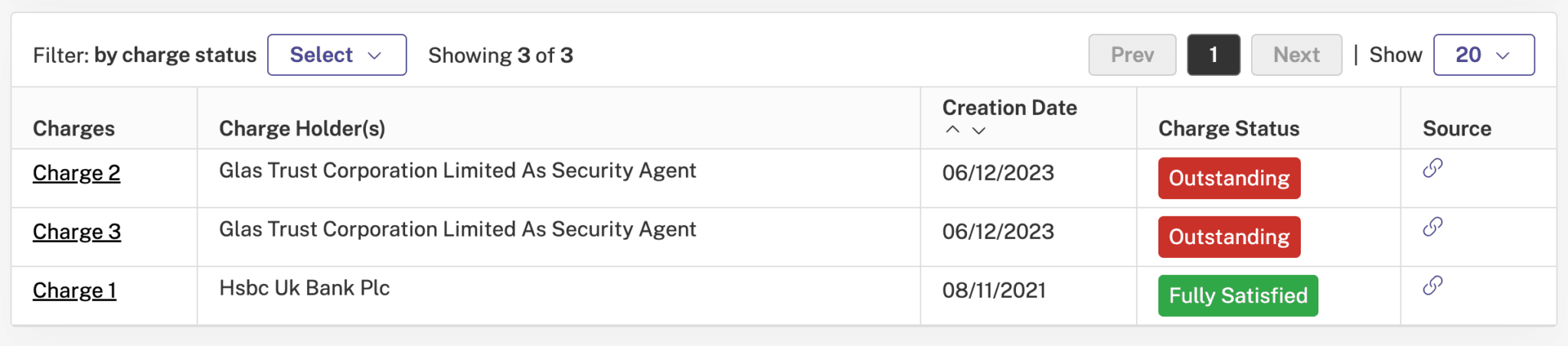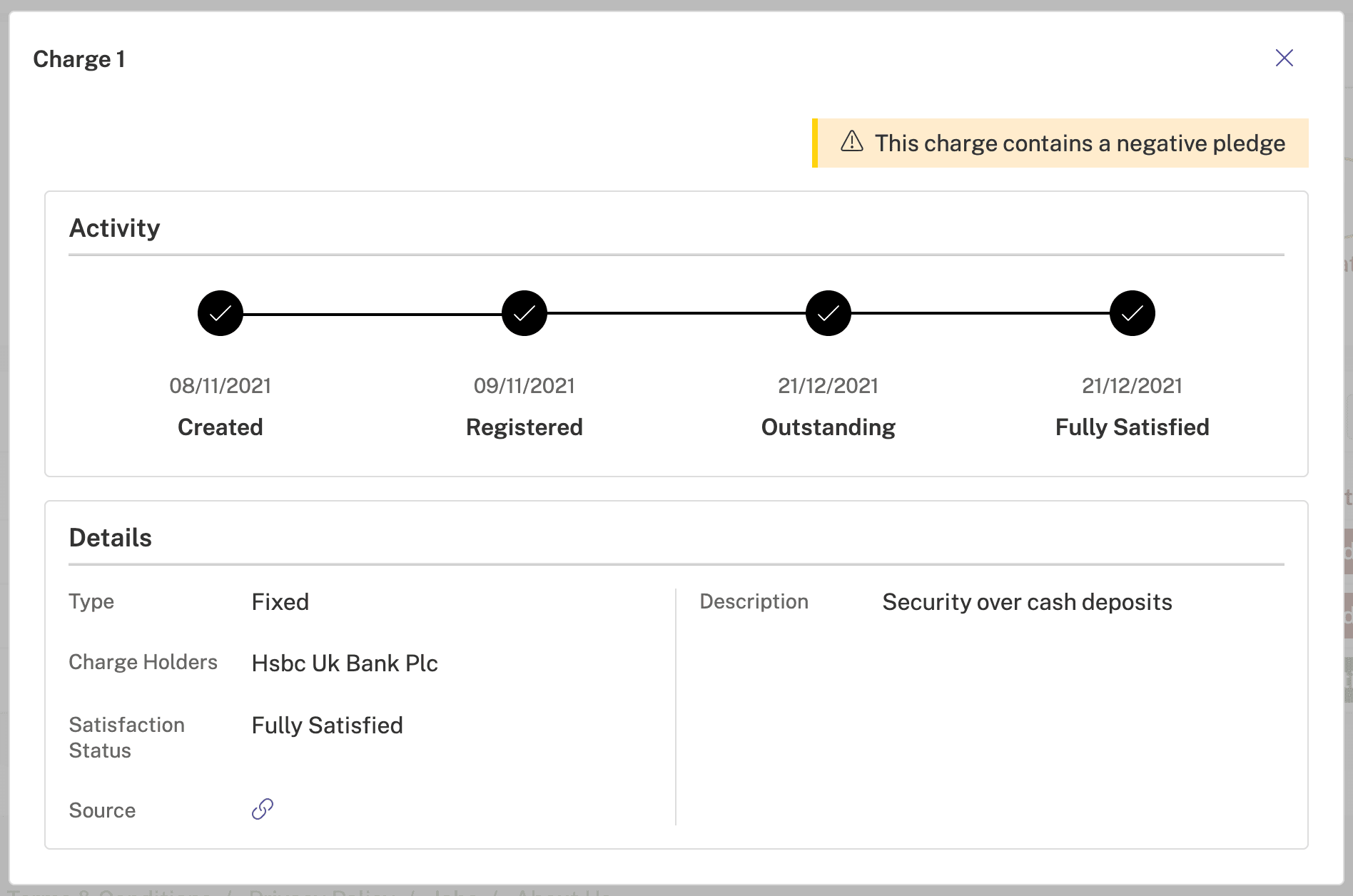
There’s so much data out there, it’s hard to know what’s relevant for making good decisions — and charges and mortgage data might not be something you’d ever considered.
What is charges and mortgage data?
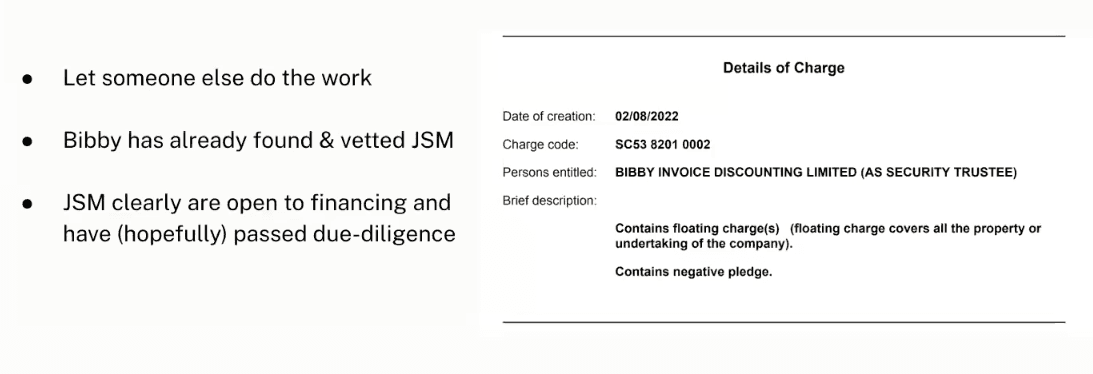
When someone lends money to a company, a charge is a document specifying the assets the lender may claim if the borrower defaults on their debt. From these we can therefore tell when a company has taken out a secured loan. The most common type of charge is a mortgage, where a business (or individual) will put up their house as collateral for the loan.
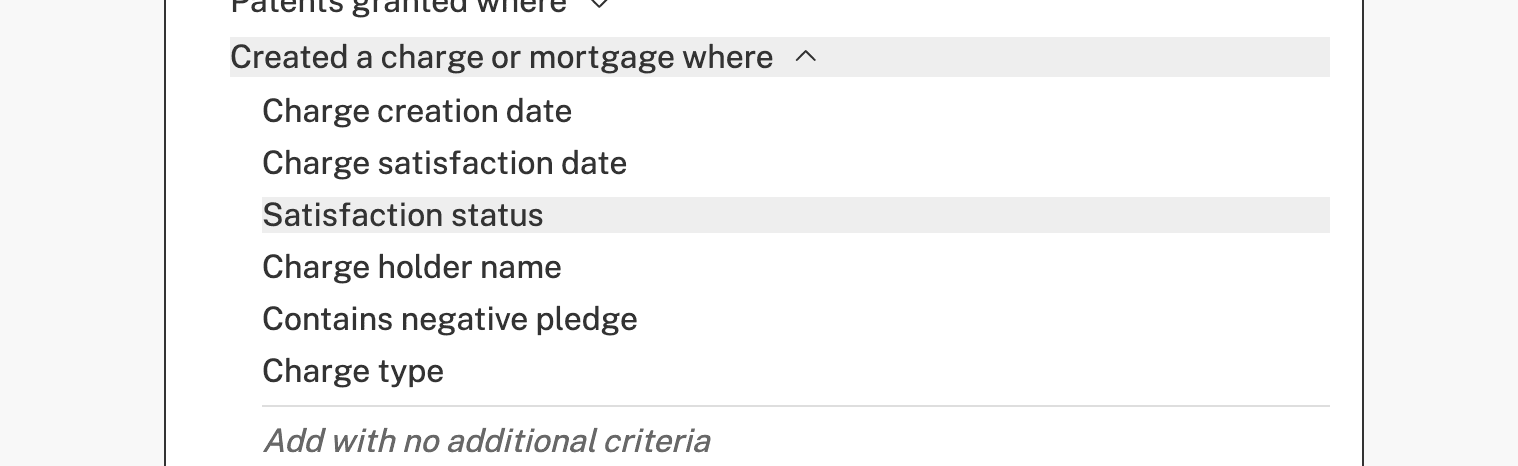
With this data you can identify companies which have received debt, when the company has received debt, whether it’s been paid off, who they received it from, and what assets they used as collateral.
What is the difference between charges data and mortgage data?
Charges and mortgage data both refer to legal and financial aspects of property ownership. But they are different things. Here’s a breakdown:
Charges
A charge is any secured debt over any asset(s).
Mortgage Data
A mortgage is a sub-type of charge over property or land, where the debt being secured is used to acquire that property or land.
A mortgage refers to a specific type of charge against a property, whereas a charge is a more general term that refers to any secured debt (including mortgages) – i.e. all mortgages are charges, not all charges are necessarily mortgages.