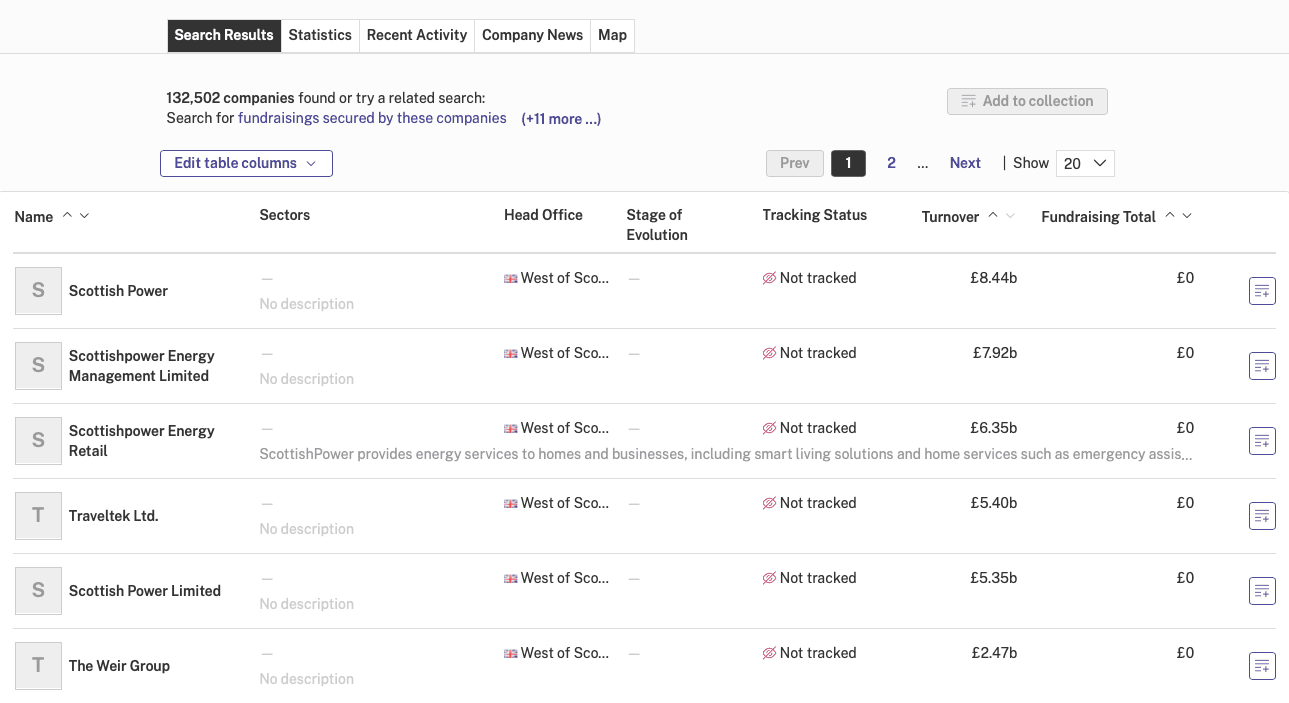
If you’re researching businesses located in Britain, a UK company list isn’t a bad place to start. These lists—which often come as downloadable Excel files or PDFs—will give you some background info: company names, industries, founders, and perhaps annual revenue.
But there are downsides. Not only is it time-consuming to sift through thousands of listings, but the information won’t be as complete or accurate as you need. And it’ll be difficult to set your outreach priorities or make important decisions based on static, out-of-date, data.
The main disadvantages of conventional company lists include:
- Only including publicly-traded companies, meaning you just get information on the UK’s biggest businesses. That might be useful if you want data about the likes of AstraZeneca, GSK, and BAE Systems. But if you’re interested in the UK’s fastest-growing companies or local/regional success stories, you’ll be disappointed.
- Only having the most basic, simple data, meaning you miss out on the really interesting stuff—things like employee count growth, operating locations, products and patents, and partnerships. Company lists won’t have this kind of intelligence.
- Sourcing all their information from Companies House, the government’s free business registry. The data you find here is typically limited to information on legal entities and it’s not always current. Plus, Companies House says it “does not verify accuracy of information filed”—so it’s not always accurate.
Conventional company lists, therefore, only get you so far. You may get a rough picture of the UK business landscape, but that’s not enough to help you make commercial decisions. For example, if you’re a university looking for local partnerships, you’ll need far more robust information about what a business does; its industry, products, people, and patents.
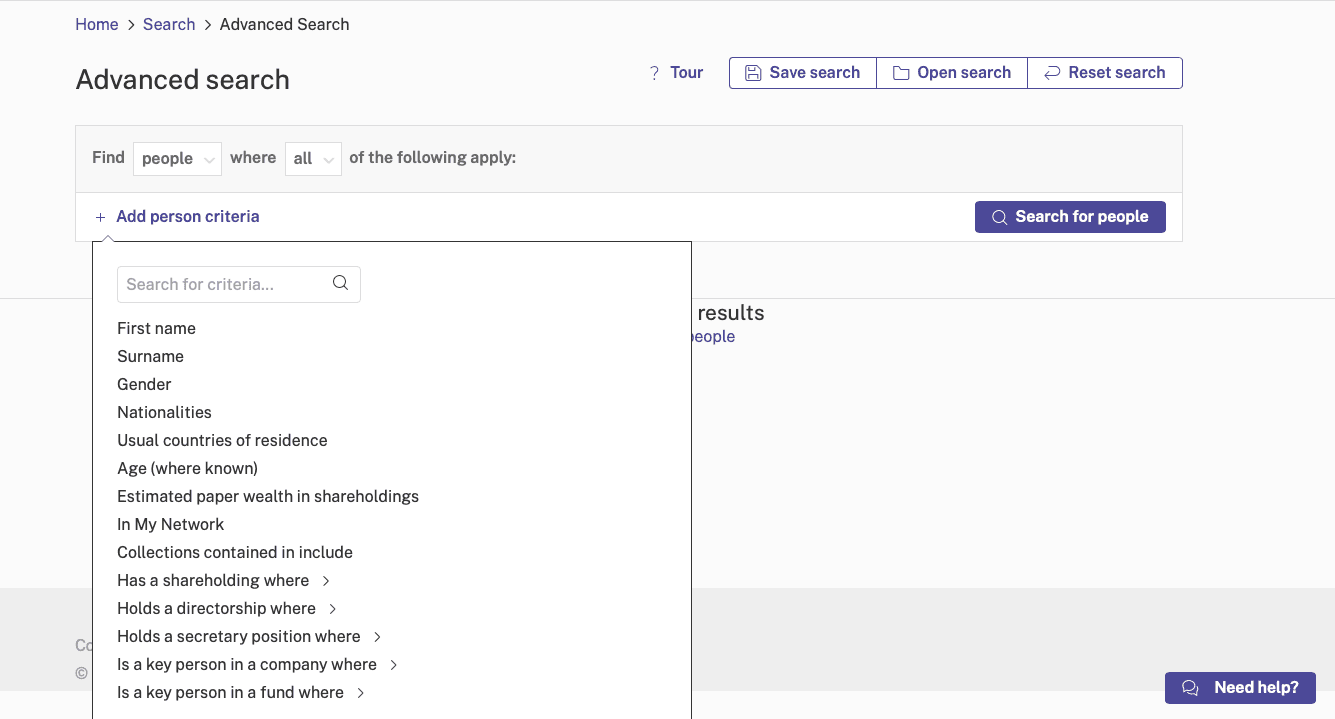
The same standard applies if you’re an investor. You need to find companies using very precise criteria, for example startups with a certain value, in a certain area, with a certain type of product. The UK company lists you find on the web don’t tend to provide that information.
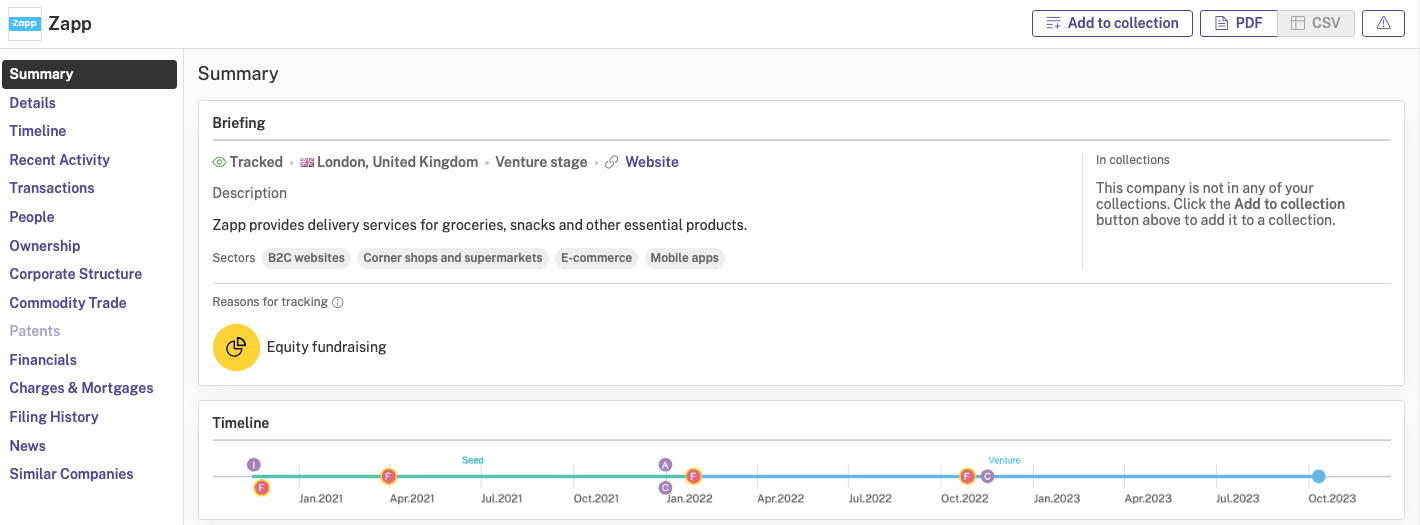
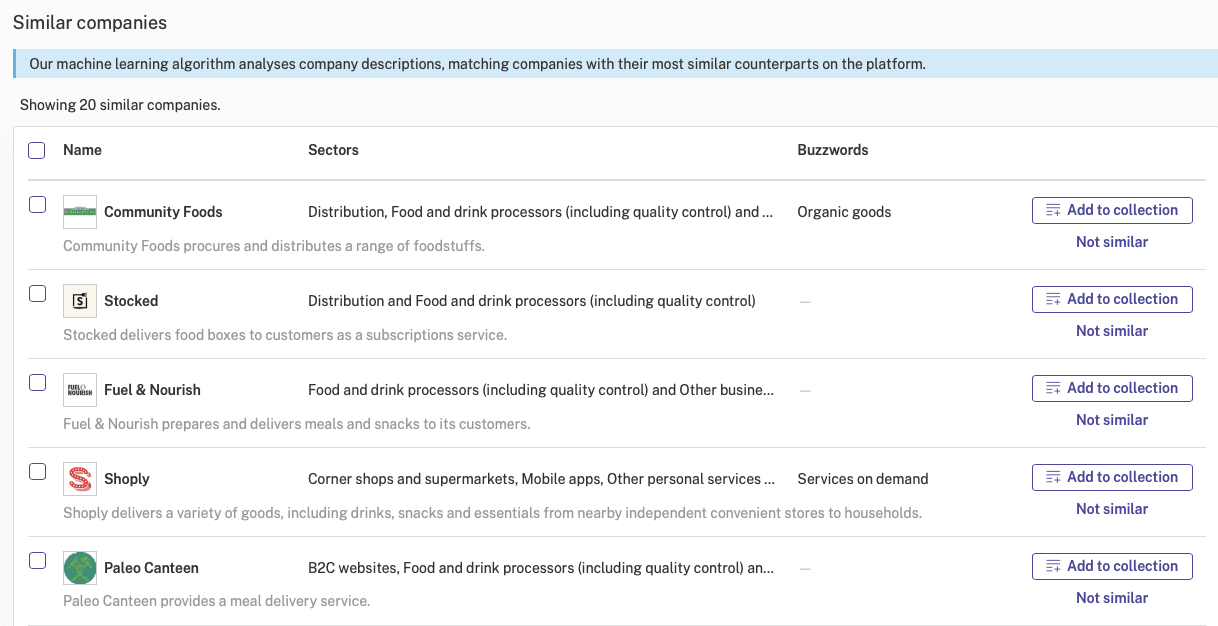
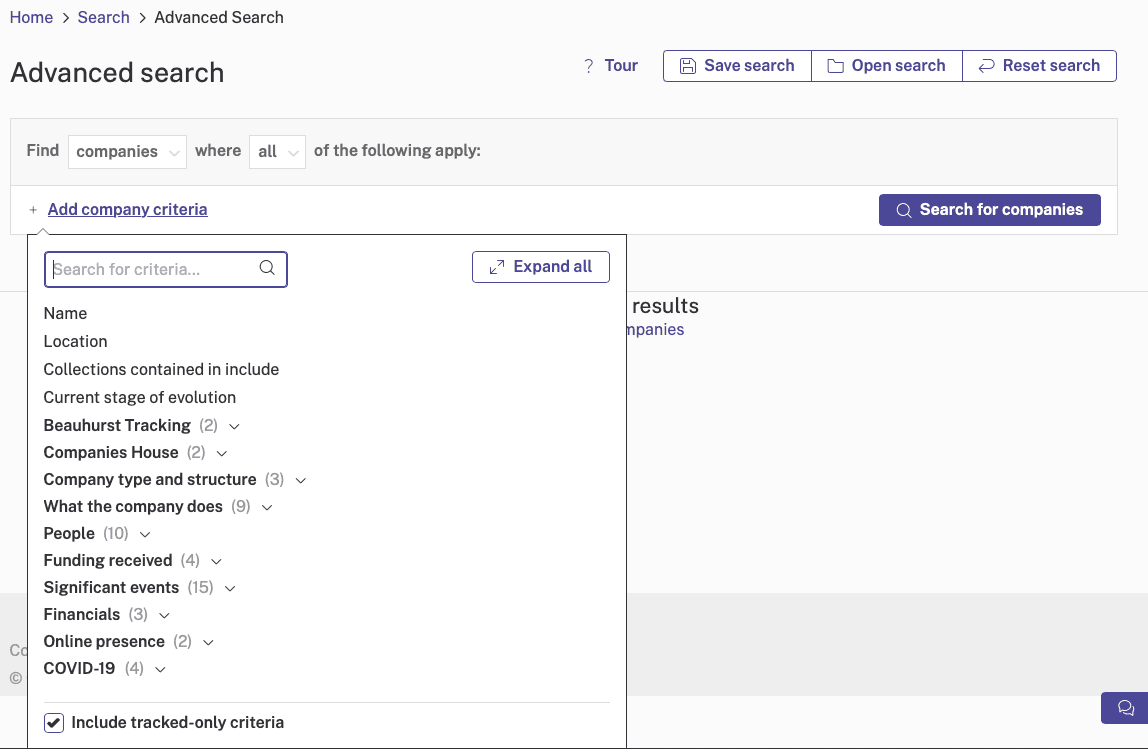
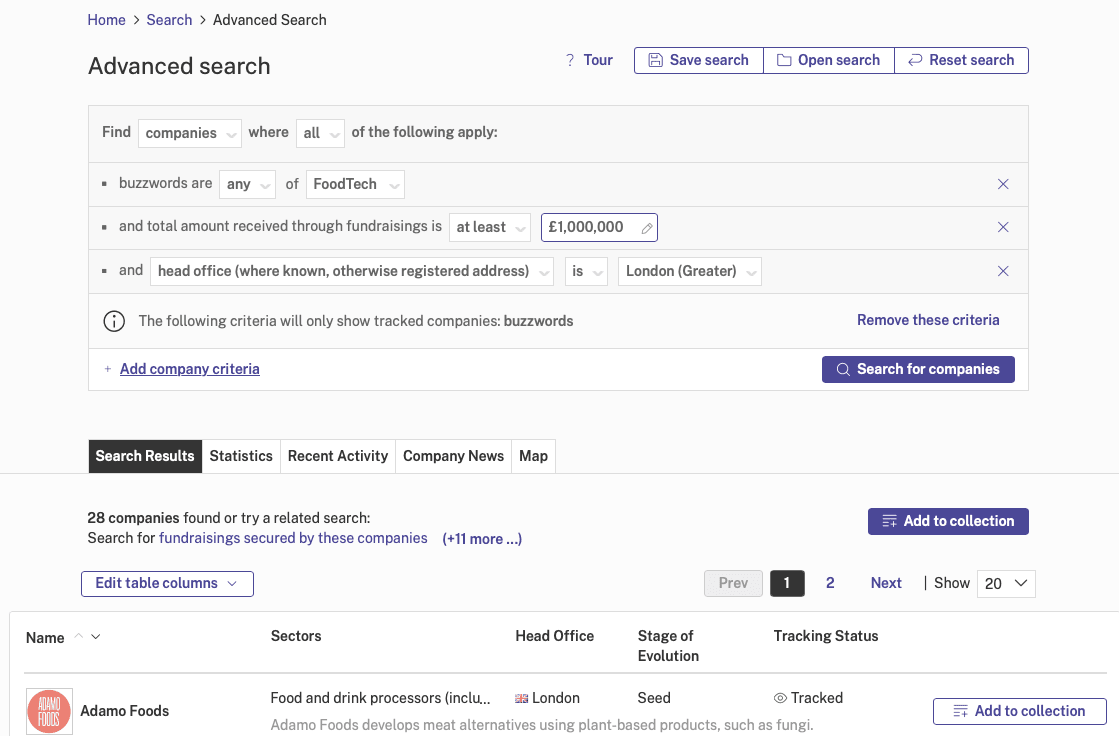
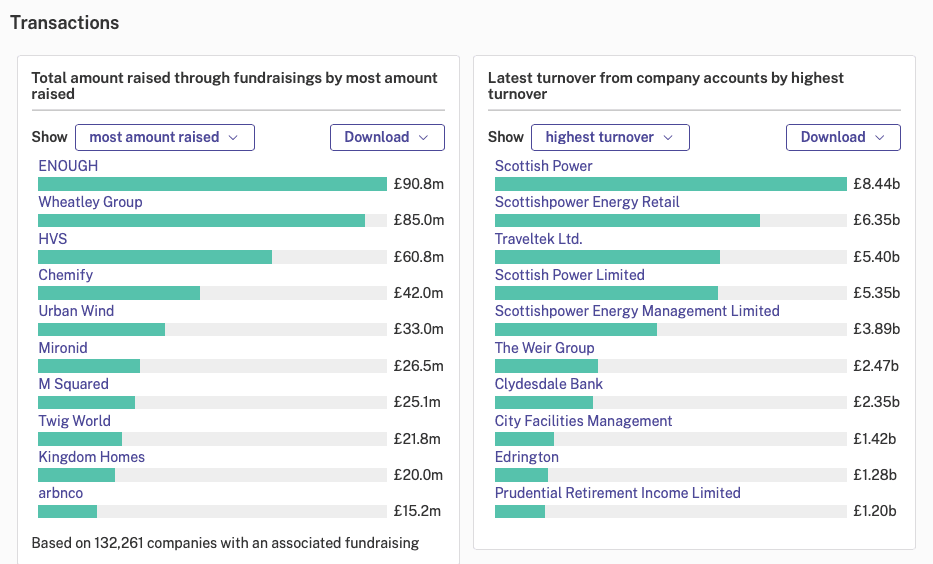
In this post, we’re going to introduce an alternative to the conventional UK company list. Beauhurst’s platforms give you deep, up-to-date, and accurate information on every private UK company. We’ll explain how our index beats any downloadable list, and show three examples of the kinds of companies you can find using one of Beauhurst’s platforms.
Five reasons Beauhurst’s database beats any UK company list
With Beauhurst, you can access UK company data through four data platforms that we’ve designed for four different types of organisations:
- BeauhurstImpact, for universities and the public sector
- BeauhurstInvest, for investors
- BeauhurstAdvise, for professional and financial services teams
- BeauhurstSales, for sales teams
Each platform has full access to our complete set of UK company data. This means you can easily find the companies you want to invest in, or partner with—and get a big-picture view of any regional business ecosystem.
1. Access and compare up-to-date information on all UK companies
Beauhurst provides you with the deepest data available on every private UK company.
In total, we have information on about 13m companies, both active and inactive. And that number is growing all the time. That’s not just publicly-listed companies, nor only the largest businesses—but local SMEs, new startups, and fast-growing UK brands.
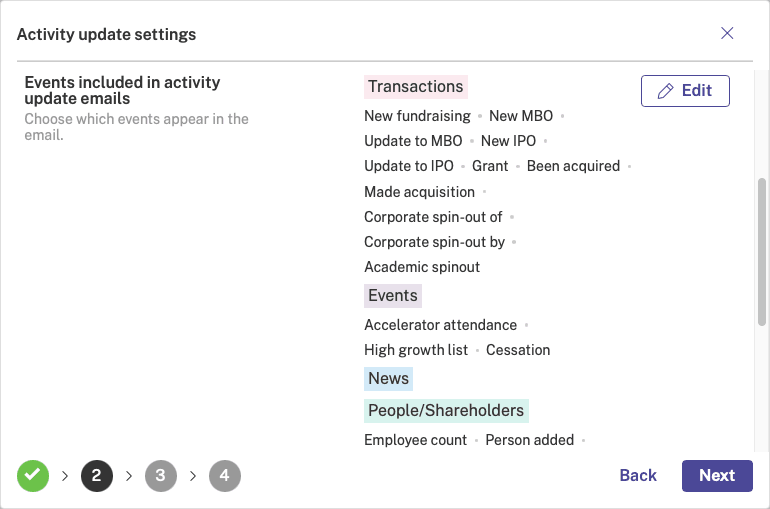
We compile our data from a range of authoritative sources before cleaning it up, enriching it, and structuring it so it’s easy to search, navigate, and compare. Plus, we have a team of 60+ data analysts—supported by machine learning technology—who verify all the information, identify anomalies, and make sure everything is completely up-to-date.
In short, Beauhurst’s data is data you can trust. And it’s far more detailed data than you’d get from any conventional company list.