Finding a UK business database with genuinely actionable insights can be overwhelming. One Google search of ‘UK business database’ brings up thousands of results, and hundreds of options to choose from. It’s difficult to know which database is going to be right for you — will it have the sort of data you’re looking for? Will it have enough key data points to be useful?
In this article, we’ll explore what a UK business database is, the key data points you might expect to find on a database like this, and how to find, and most importantly use, a business database.
What is a UK business database?
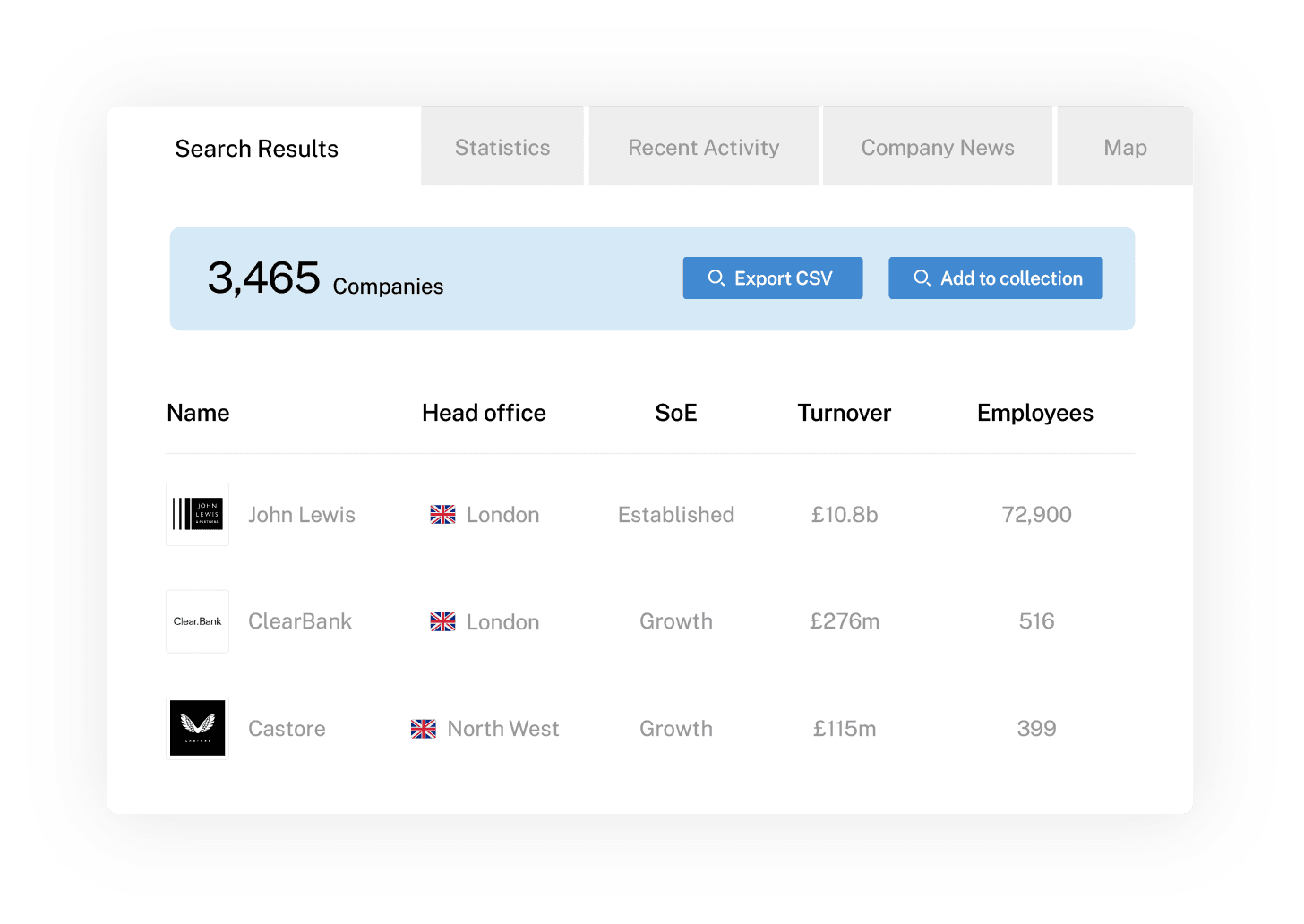
A UK business database is a large collection of information on companies based in the United Kingdom. Think of it as a searchable directory, that includes key details such as:
- Company names and registration numbers
- Business addresses and contact info
- Industries and sectors
- Size of the business (number of employees, revenue, etc.)
- Directors or key decision-makers
- Financial health and credit scores
These databases are used every day by investors, business development and sales teams, academic institutions, and even other businesses looking to connect, partner, or verify a company. Whether you’re trying to generate leads, research competitors, understand a particular industry, or simply understand a company better, a UK business database gives you the data you need to work smarter.
Why businesses use business databases
For professionals who rely on accurate, up-to-date information about UK companies, business databases are the essential tool. Whether you’re identifying fast-growing startups, tracking market trends, or looking for new partnership opportunities, a UK business database helps you to make informed decisions. Here are some different ways you can use a business database.
Sourcing high-quality leads
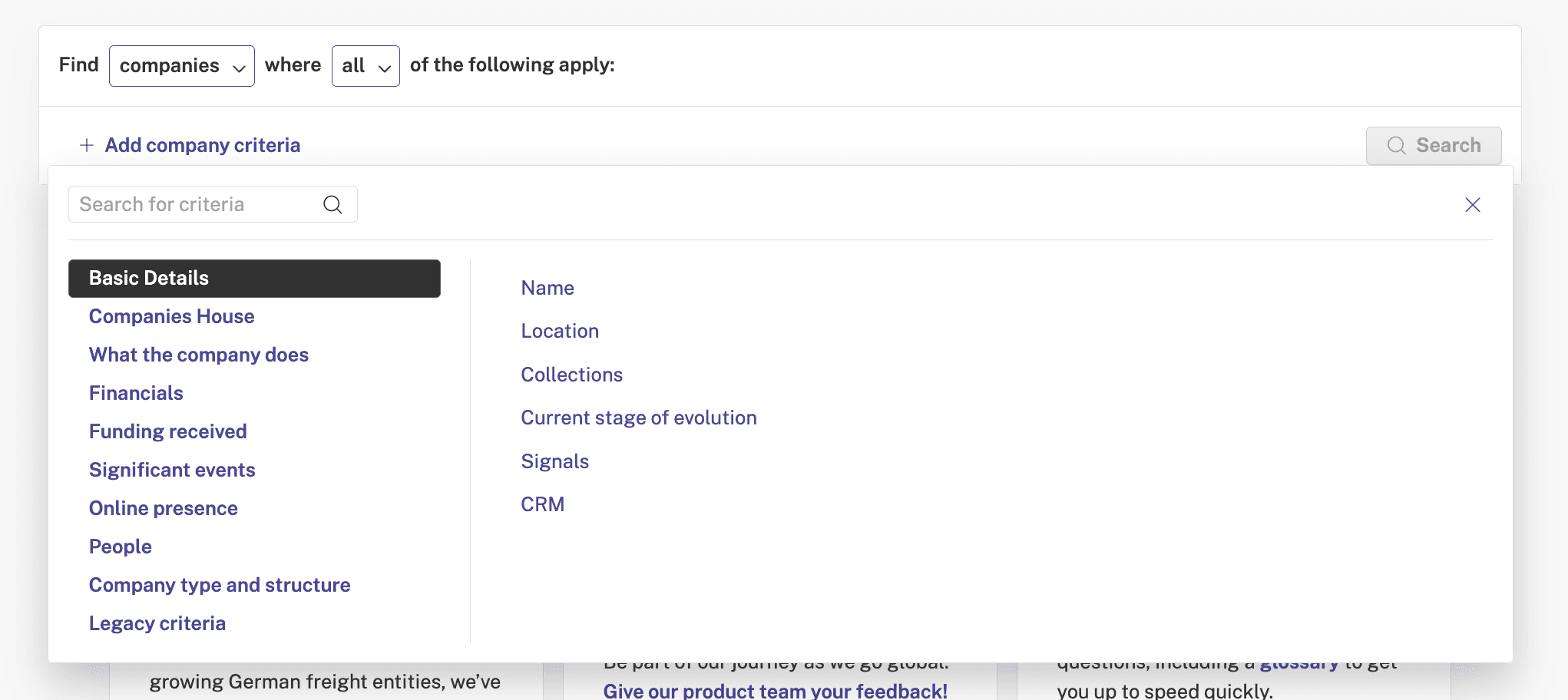
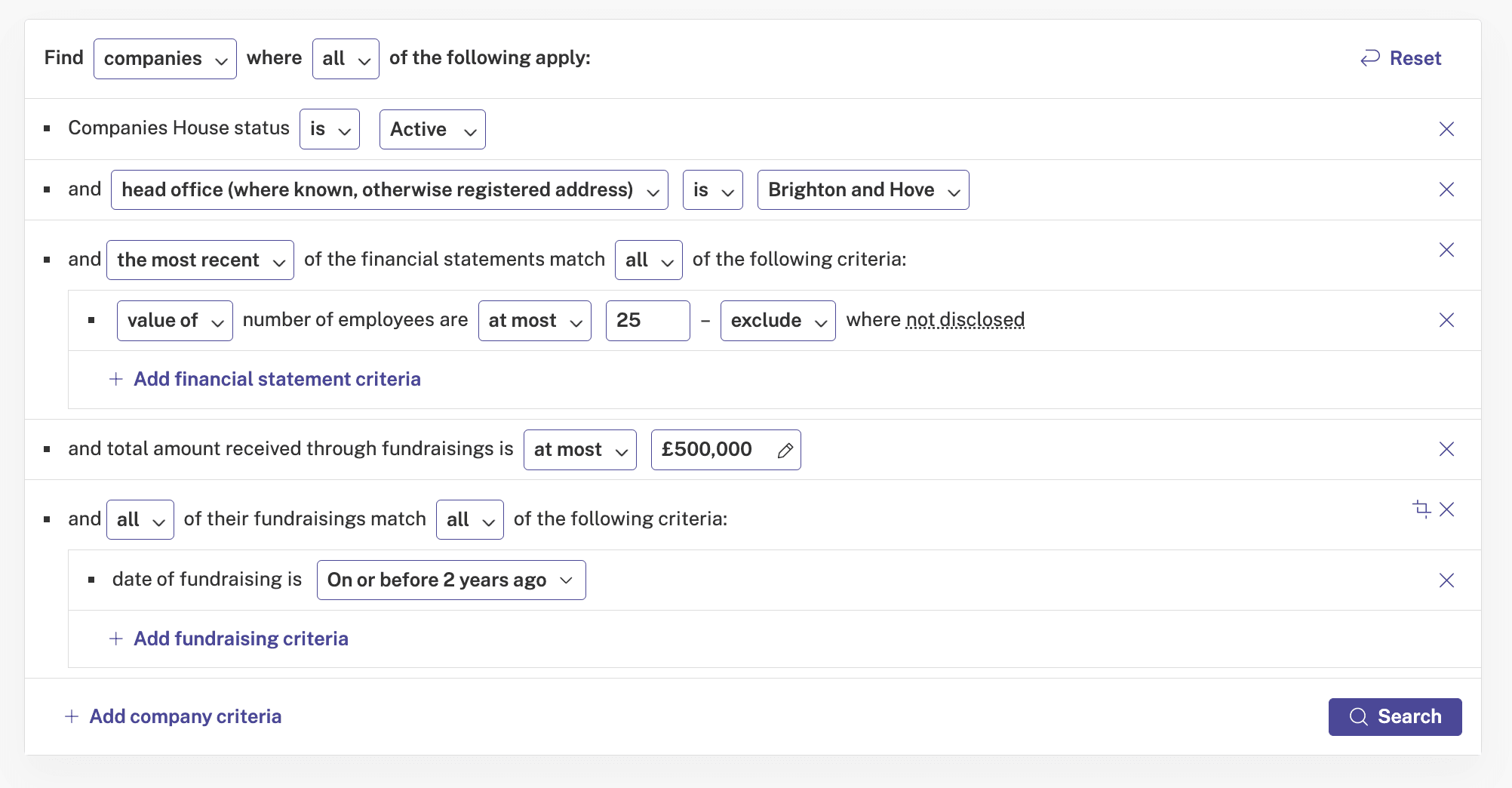
Business development and sales teams can use UK business databases to discover companies that they can sell to — whether that’s a fintech startup in London or a mid-sized family business in the North West, business databases have a myriad of niche data. And with the right filters, you can build targeted outreach lists based on growth stage, location, industry, recent events, and more. All this means you can find leads that are more likely to buy from you using databases.