Legal business development has always faced a structural challenge: legal needs are rarely visible until the moment they arise. A company decides to raise investment, then calls a lawyer. A leadership conflict emerges, then they seek legal advice. A dispute appears, a restructuring begins, or overseas expansion launches — only then does the firm become aware. By that point, the mandate is already in motion. Often, another advisor is already in the room.
This is the central problem facing modern legal BD: traditional data is too slow. Most firm workflows rely on static information — lists, old directories, outdated reports, and media mentions posted days after the event. In an era where companies change strategy every few weeks, this simply doesn’t work.
The firms winning work in 2026 aren’t waiting for clients to signal they need support. They’re proactively identifying companies whose behaviour suggests they’ll need legal services imminently. Predictive signals, real-time monitoring, and AI-driven search have made this possible.
This article explains exactly how to spot early demand, and how Beauhurst gives firms the intelligence they need to act early and decisively.
Start with clear legal triggers
Nobody wakes up one morning and spontaneously decides to seek legal counsel. In almost every case, there are clear, observable behaviours leading up to the moment of instruction.
The most common legal triggers include:
Funding activity
- Early investor engagement
- Preparation for due diligence
- New financial leadership
- Formation of new holding companies
Growth events
- Rapid hiring
- New products or markets
- Creation of overseas subsidiaries
- Major commercial partnerships
Governance changes
- Director-level instability
- Board restructuring
- New Chair/CFO/GC appointments
Risk or distress indicators
- Late filings
- Creditor pressures
- Headcount contraction
- Unusual share movements
These moments precede legal need. BD teams must target companies showing these signals, not those who have already acted.
Historically, BD teams tried to detect these triggers manually — scanning Companies House, press releases, sector newsletters, and internal spreadsheets. The issue wasn’t effort, it was visibility. Signals arrived too slowly to be useful.
Beauhurst changes this dynamic completely.
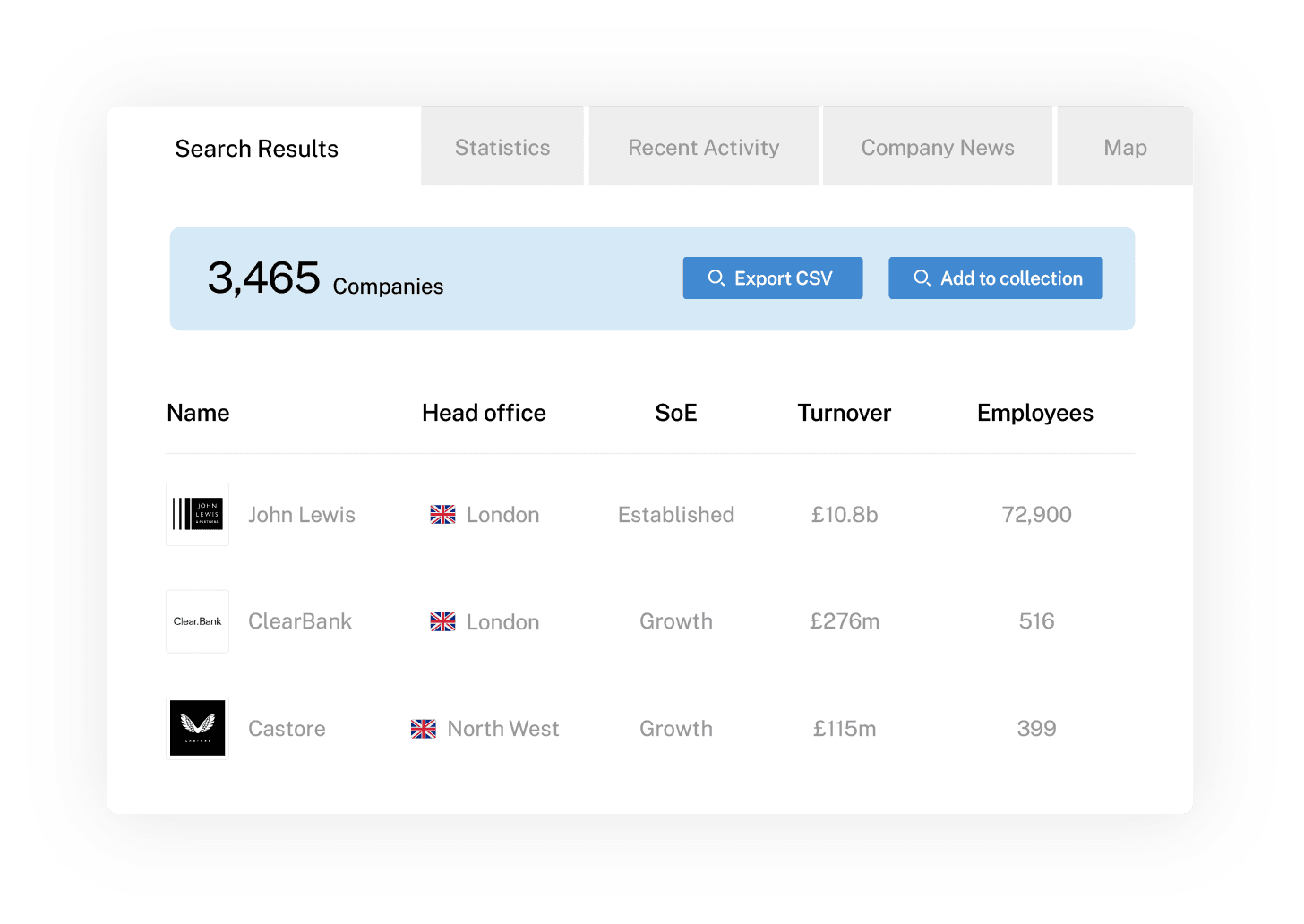
Instead of checking dozens of fragmented sources, legal teams see all early-stage legal triggers unified in one place — captured in real time and surfaced through structured signals. Leadership changes, new incorporations, share movements, investor engagement, governance filings, hiring bursts, and early-stage distress indicators appear within hours, not weeks.
Beauhurst allows firms to instantly understand what companies are doing, why they’re doing it, and what legal needs are likely to follow. Lawyers move from guessing to forecasting — turning faint market signals into clear commercial opportunities.