For all the sophistication of modern legal practice, some business development (BD) teams inside law firms still operate the same way they did 10 or 15 years ago: a spreadsheet, a hunch, and a partner’s memory of who they should “check in with.”
This approach was viable when markets moved slowly and relationships were built over long cycles. But in 2026 — with the UK legal market surpassing £40b in value and growing around 5% annually — firms that continue relying on intuition are falling behind those using data-driven relationship intelligence.
The challenge is no longer simply finding companies that might need legal services. It’s knowing who the right person is, when to speak with them, and what message will resonate, before a competitor gets there first. More than 61% of UK law firms cite “finding new clients” as their single biggest barrier to growth. And yet the reality is that many partners already have far more routes into target companies than they realise. It’s just that those routes are hidden inside fragmented data, informal networks, and unstructured information scattered across filings, press releases, and incomplete LinkedIn profiles.
This is where data-enabled warm outreach becomes a differentiator. In this article, we break down how warm outreach actually works in practice, and how Beauhurst enables law firms to move away from scattergun emailing and toward a precise, relationship-driven BD model that compounds over time.
Why warm outreach will work better than ever in 2026
Legal services remain profoundly relationship-led. No matter how advanced AI becomes, clients still want to work with advisors they trust, especially on sensitive matters like commercial disputes, fundraising, M&A, restructurings, and regulatory issues.
The problem is that traditional “networking” hasn’t scaled with the complexity of the market:
- Board members now hold positions across multiple portfolios
- Executives move between companies more frequently
- Investor networks create dense webs of influence across sectors
- Growth companies emerge, evolve, and disappear faster than ever
Where a partner’s “little black book” once held real value, that model doesn’t survive the speed of the modern private sector. Warm outreach works because it reconnects lawyers with the most powerful tool they already have — their networks — but with far deeper clarity than memory alone can offer.
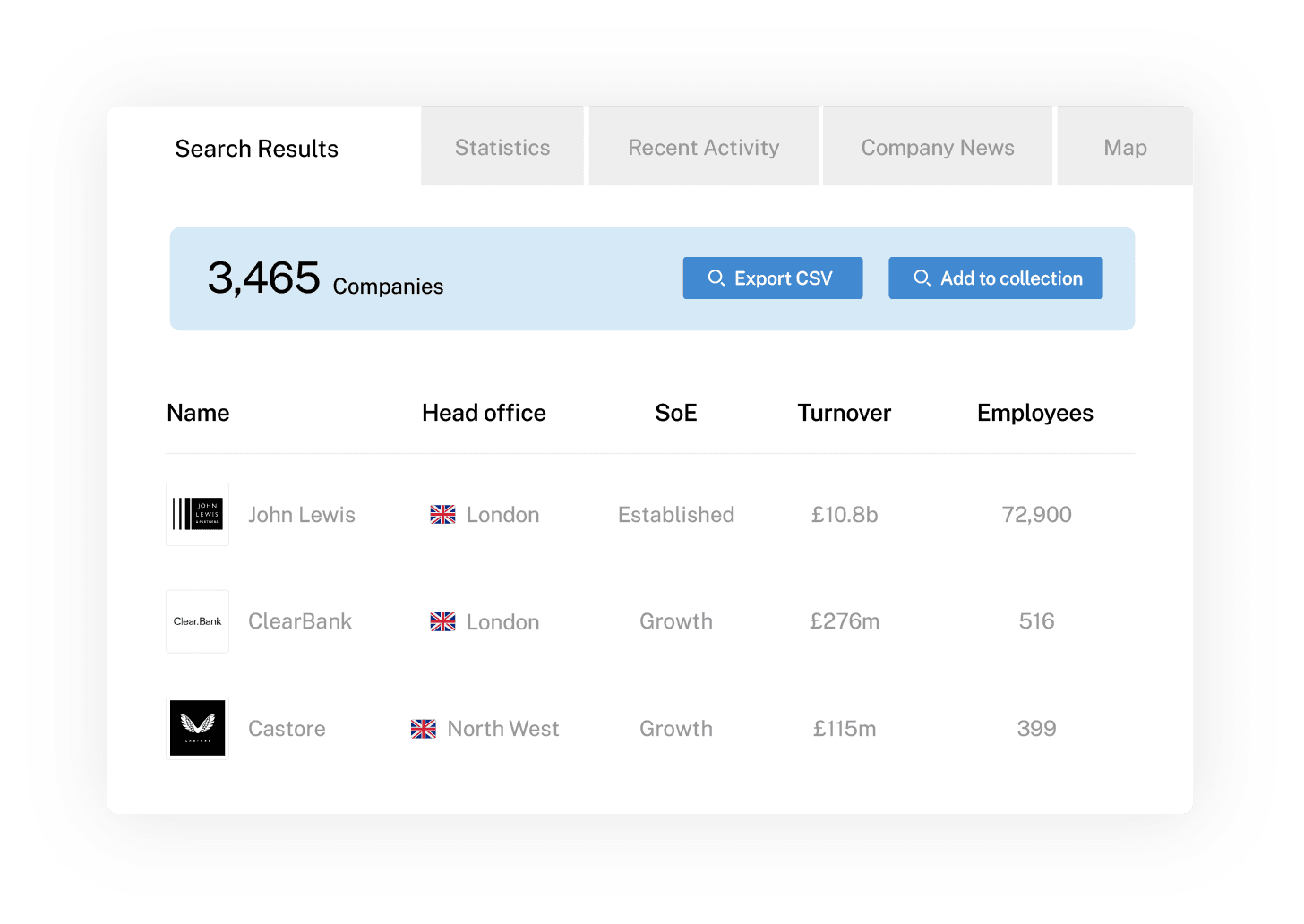
Beauhurst enables this shift by mapping millions of UK directors, shareholders, and executives and linking their entire commercial footprint: board positions, past and present; shareholdings; cross-company roles; sector experience; investment activity; and leadership overlap.
What emerges is a relationship graph that reveals warm paths partners didn’t even know they had — and turns BD from guesswork into a targeted, strategic operation.