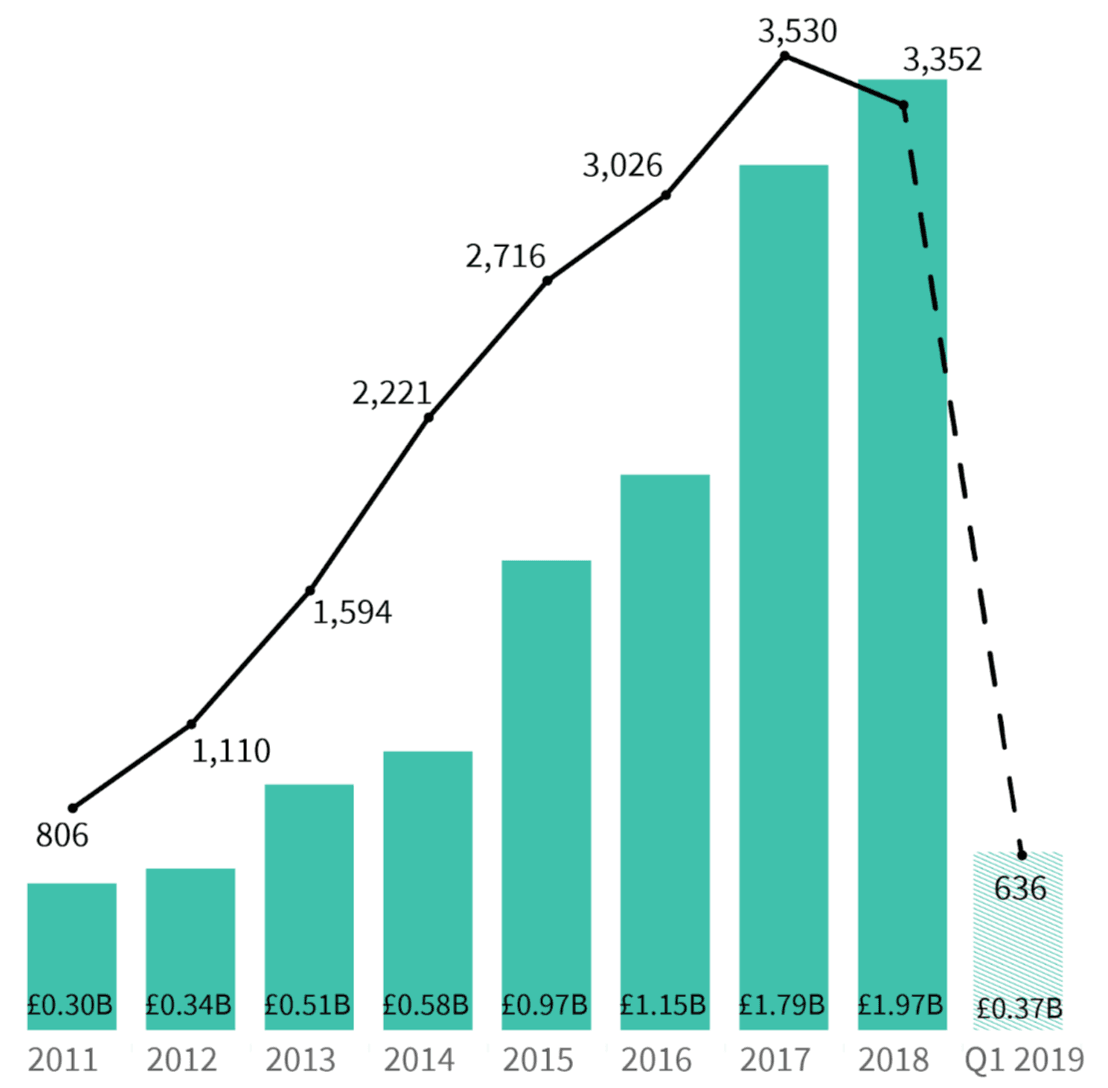
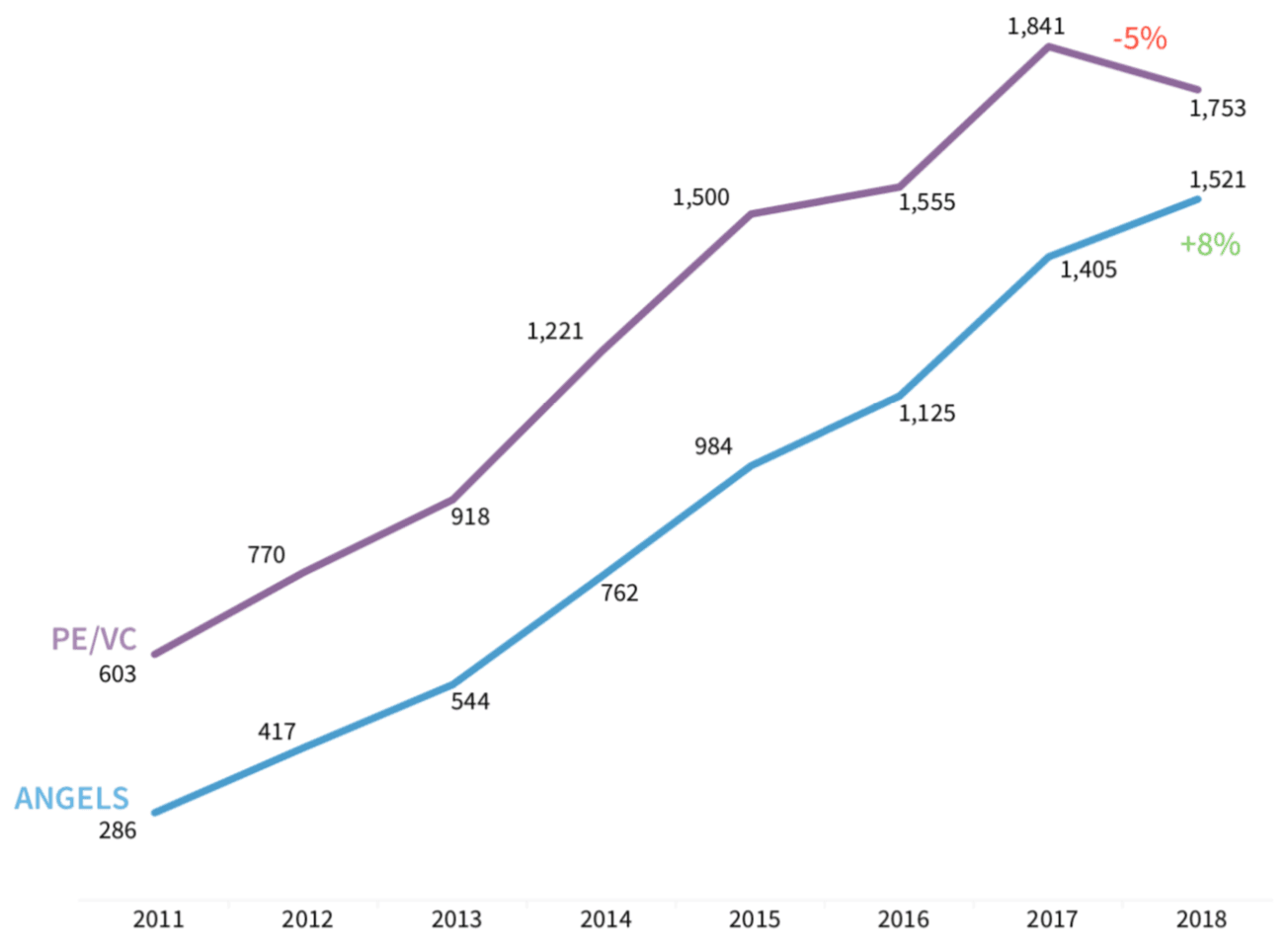
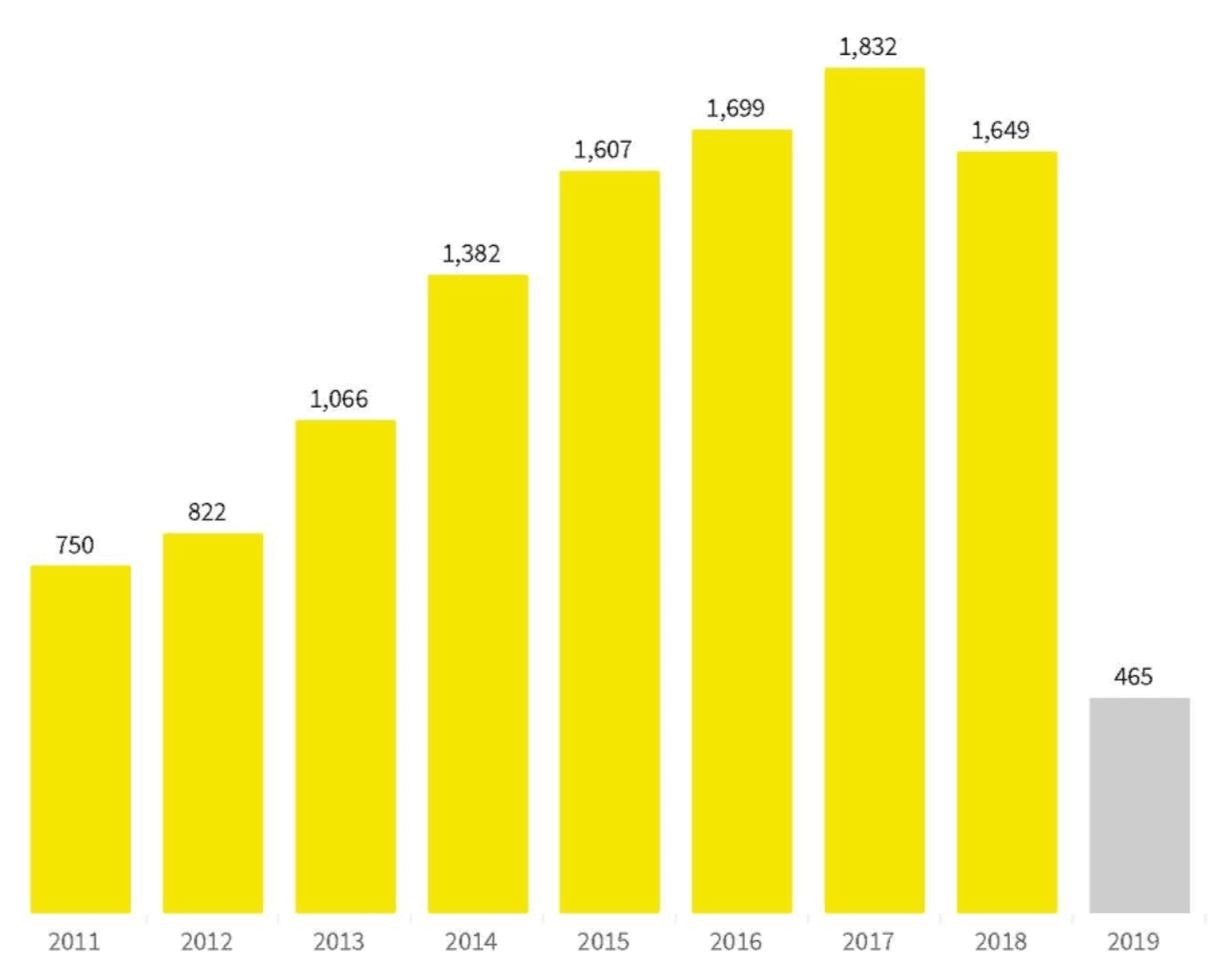
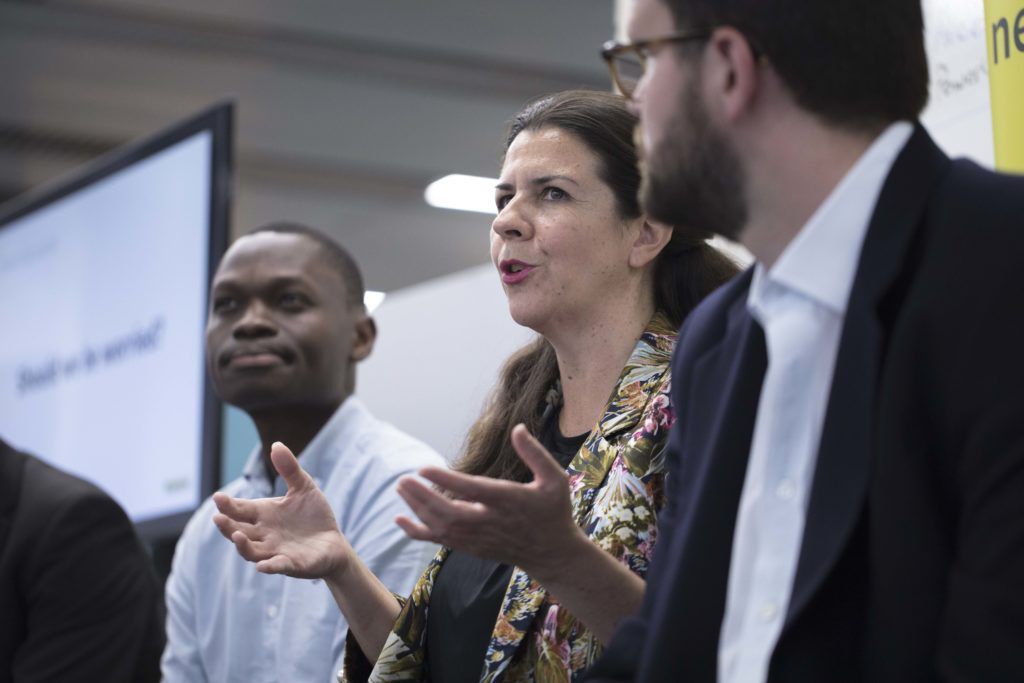
From the other side of the investment table, Downing Ventures Associate Michael Tefula agrees that many companies do not have enough funding to grow to their full potential. “Especially in the current economic climate, investors should be providing as much capital as possible to create a solid runway for our most promising companies.” Instead, he has a sense that some of the more traditional VCs are pulling away from early-stage deals in favour of slightly less risky and later stage deals into companies who have more evidence of traction.
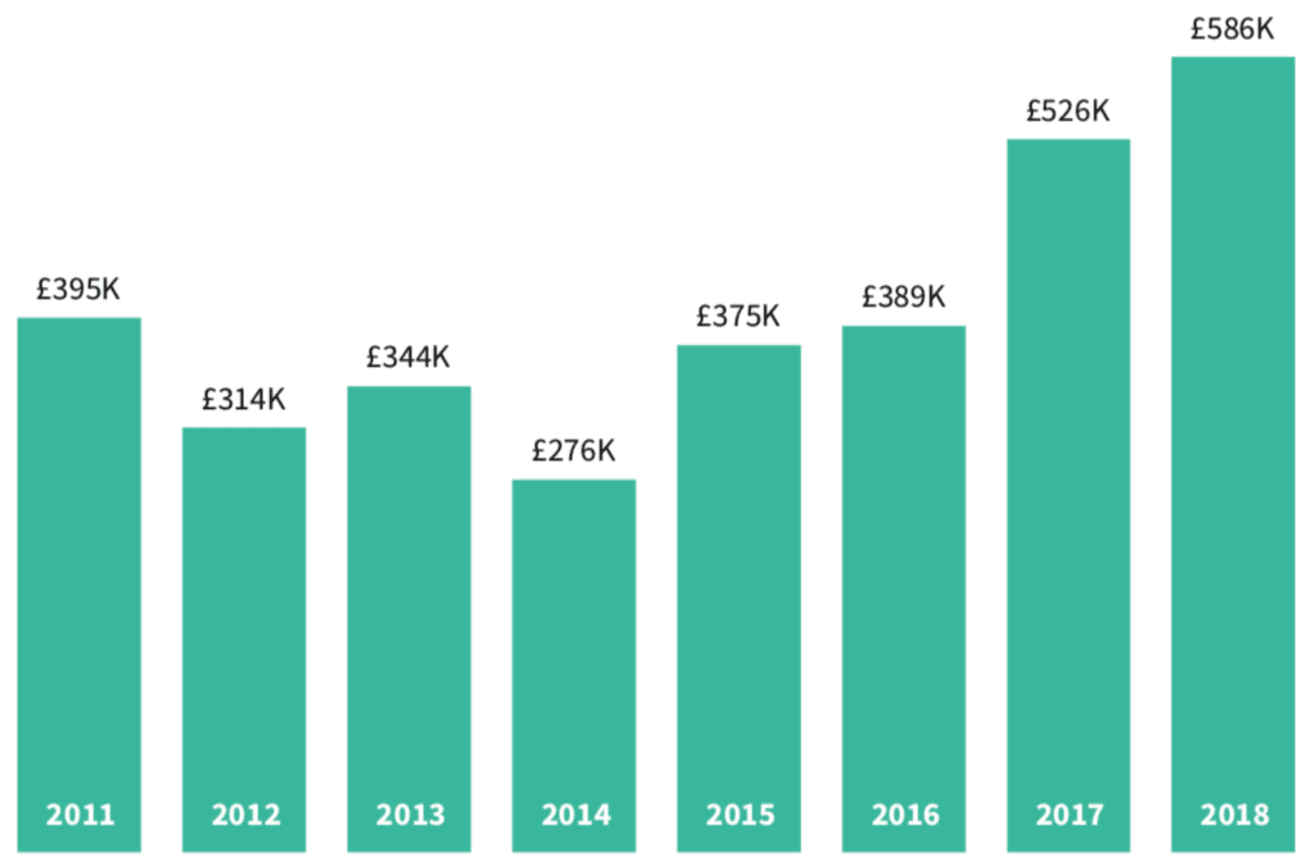
The knock on effect of this is that the average size of seed stage deals is steadily increasing, so there’s an expanding gap opening between early stage and mid stage venture companies. It remains to be seen how far this chasm will continue to grow, and extent of the effects on the pipeline of companies for the longer term future.
Should we be worried, or are companies accessing other channels of funding?
There are lots of alternative avenues of funding to a traditional VC equity raise, from accelerator programmes to grants and loans. The NatWest Entrepreneur’s Accelerator is a fully funded programme that gives early stage companies the tools they need to propel themselves through to the next stage in their growth journey. The attendees receive a number of benefits including office space, mentorship, and access to the bank’s expansive connections – without having to relinquish any equity.
Chris Kettle, Director of High-growth Business Development at NatWest, also highlighted the importance of alternative finance for the whole market, including larger corporates. “We see alt finance as a great force in driving large banks to change and innovate. NatWest now has a number of modern channels to help small businesses access finance, including Esme Loans and Mettle.” These pathways can seem more approachable for – and are thus proving popular with – fast growing and ambitious businesses.