The Perfect Storm
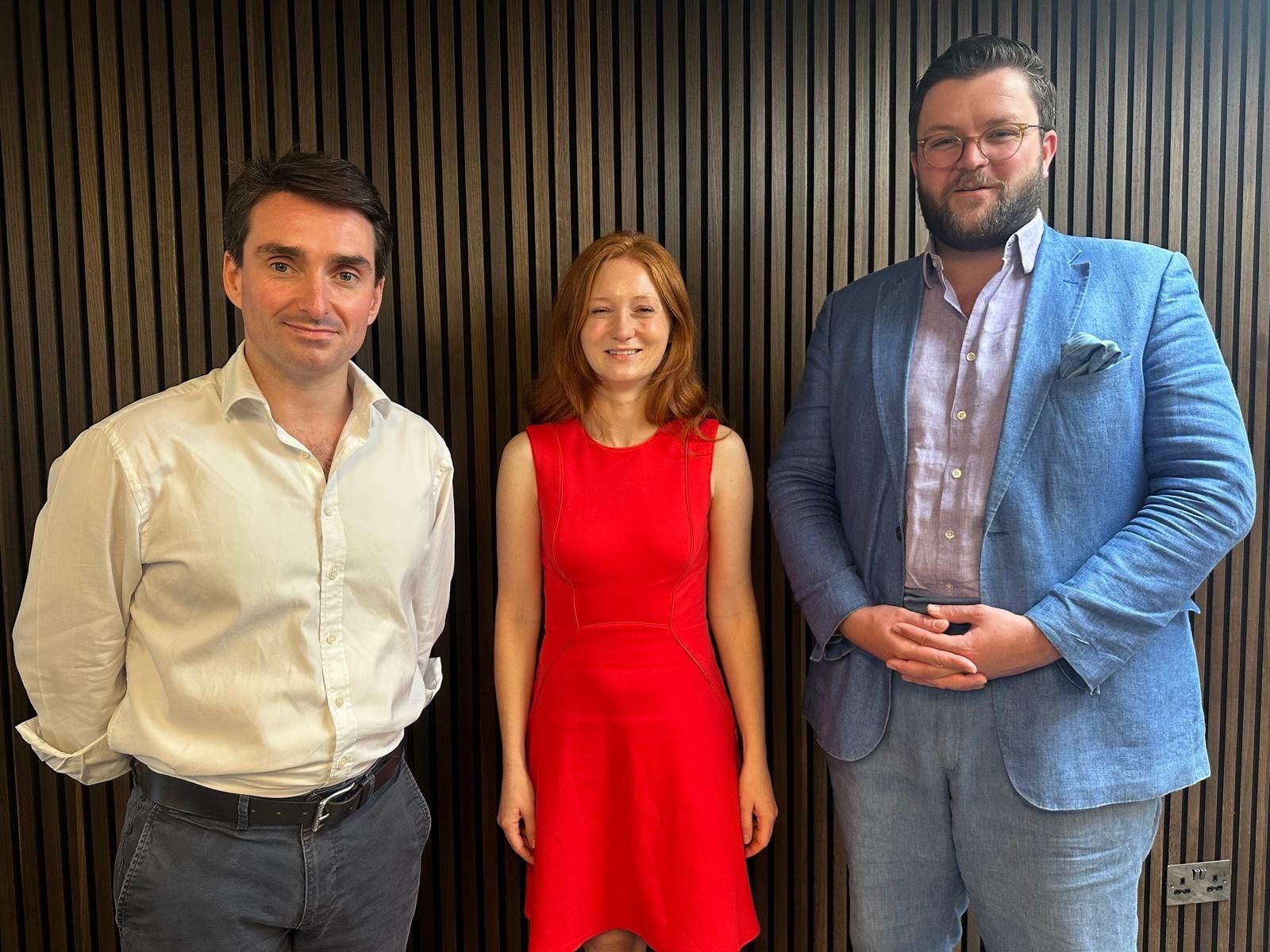
I asked Claire what makes 2026 the right year to be building Untap. She didn’t hesitate. “We have Ebola. We have hantavirus. We have norovirus outbreaks on multiple sites across the world. Climate change means people and insects are moving around. We’re living more densely. Infectious disease is becoming worse.”
The second half of the storm is psychological. “We all had a micro-PhD in public health during the pandemic,” she said. “Before COVID, when a norovirus outbreak happened on a cruise ship, no one cared. Now it’s number one on the BBC.” Inbound has followed: a Southeast Asian army on one call, wastewater monitoring at this year’s World Cup in the US on another. “We’re an anti-fragile company. As the world gets worse, we get better.”
Will picked up the macro thread. “British national planning operates on the assumption there’ll be a comparable event every seven years.” On dual-use, Claire was clear that the government story isn’t a pitch-deck contrivance: “I never anticipated selling to government. They’ve been behind us every step of the way. We’ve actually found them easier than a lot of private industry.”
Capital, hardware and the case for debt
Untap is hardware-intensive, which makes its financing puzzle different from a typical SaaS business. “Debt is a way forward, I think, for us,” Claire told us. She is also talking to corporate partners — diagnostics, infection control, distributors — who can invest because Untap’s success becomes theirs. “That’s how we’re thinking about scaling: with people that win by us winning.”
Will thinks the market is starting to support that approach. “The status quo is: we just raise another round, another round, another round. That could be the answer, but quite often it’s not. An untidy cap table full of expensive equity isn’t resilient to shocks. If a business knows earlier what its capital options look like, you make the decision as a CEO instead of having it made for you.” He flagged growing engagement from banks and venture-debt providers in particular.
Issues in the sector
On the UK ecosystem, Claire was diplomatic but unsparing. R&D tax credits remain valuable; the British appetite for first-of-kind adoption does not match the quality of the R&D. “You do this R&D, you build this tool, it’s category creation, and then people always say, well, who else has adopted it?” Her sharpest specific frustration was Innovate UK: timelines slipping, grant decisions appearing and disappearing. “A fast no is much, much more helpful than a slow yes.” A slow no, she agreed, can be terminal for a small company.
Positives of the sector
Untap is on the Randox for Builders programme, which gives early-stage hardware companies access to Randox’s clinical and manufacturing infrastructure. Claire has found it most useful for benchmarking costs and processes. Will noted that the programme has exposed her team to a very different operating mindset — “everything has a mind towards regulation, towards those clinical pathways” — which is sharpening Untap’s roadmap.
Reflections
Asked where she wants Untap to be in five years, Claire described checking an infectious-disease forecast the way Brits check the weather. “Am I going to visit my grandma? I’ve been working in central London and there are really high rates of COVID and flu — maybe I won’t go in today. If you’re at university and there’s loads of COVID around, you wear a mask.” Small choices, real risk reduction. “I want to live in a world where you can actually mitigate that risk.”
Will closed with the framing that explains why Untap is in his portfolio:
“National security means so much more than simply defence. Considering how it was perceived since we started investing, the entire market’s perception of defence has changed. COVID demonstrated that national resilience means a lot more than Kinetic autonomy. Untap is a clear example of why that broader frame matters — and a strong one of how to build the company that proves it.
About MD One
Founded in 2021, MD One is Europe’s first National Security venture capital firm. With a flexible, founder-friendly approach, the team leverages deep sector expertise and a solid venture capital track record to invest in early-stage startups from Pre-Seed to Series A. They partner with exceptional founders developing dual-use technologies for commercial and governmental clients and aim to provide significant value through follow-on investments while remaining deeply committed to supporting visionary founders.