
IPO vs Acquisition: How to Tell if a Company is About to Exit

Words Lily Ruaah

IPO vs Acquisition: How to Tell if a Company is About to Exit

As of 2024, acquisitions remain the dominant exit strategy for UK startups, but IPO activity is gradually rebounding after some challenging years. During 2023, global IPO volumes were down significantly, but there has been renewed interest in 2024, especially for larger, more profitable companies.

Prominent examples like Reddit and Astera Labs have demonstrated investor appetite for high-quality public offerings, with 19 IPOs raising over $100m in the US in 2023. This indicates a shift toward more stable IPO opportunities, albeit at a slower pace than the peak years of 2021 and 2022.

In the UK, M&A remains a crucial exit route for startups, particularly in an environment where some companies struggle to secure new venture capital. This year, 2024, has seen steady M&A activity, with increasing interest from private equity firms in consolidating competitive industries.

All this highlights some potential signals for a startup’s exit — increasing profitability, industry consolidation, or a strong market position attractive to acquirers or public markets. As the ecosystem continues to evolve, these indicators remain pivotal in shaping exit strategies. But let’s take a closer look at how you can tell if a company is about to exit.

Comparing IPO vs Acquisition

An Initial Public Offering, or IPO, and an acquisition are two primary exit strategies for businesses, but they are fundamentally different in terms of structure, goals, and outcomes.

An IPO involves a company offering its shares to the public for the first time, transitioning into a publicly traded entity and raising capital from investors, but also subjecting itself to strict regulatory compliance and market scrutiny.

In contrast, an acquisition occurs when one company is purchased by another, leading to a change in ownership—either entirely or predominantly—while often providing immediate liquidity to the selling shareholders.

IPOs are typically pursued to fund growth, enhance prestige, and expand market presence, whereas acquisitions are more focused on enabling synergies, market consolidation, or technology acquisition.

Also, while IPOs distribute ownership among the public, acquisitions transfer control to the buying entity, which may absorb the acquired business or maintain its brand within a larger corporate structure.

Both approaches have advantages and challenges, making them suitable for different businesses and their strategic goals.
Key differences of an IPO and an acquisition

FeatureIPOAcquisition
OutcomePublic ownershipPrivate ownership changes
ControlShared with public investorsTransferred to acquirer
PurposeRaise capitalProvide liquidity
ProcessRegulatory-heavy, lengthyNegotiation-driven, faster
Upcoming IPOs in the UK | 2023

We profiled 12 companies we suspected might IPO in 2023, based on their growth trajectories and rumours in the press.

Read now

Decision-making factors for exit strategies

Market conditions and financial performance

Assess the current state of the market and the company’s financial health. A strong, growing market and solid financial performance may favour an IPO, while uncertain conditions might make an acquisition or private equity sale more appealing.

Stakeholder goals (founders, investors, employees)

Consider the objectives of all stakeholders. Founders may seek a profitable exit, investors may prioritise high returns, and employees may value job security or equity payouts.

Timing considerations

Exit at the right time to maximise value. Early-stage companies may find acquisitions or partnerships more accessible, while mature startups with stable revenue may benefit from an IPO. External factors like economic trends and industry cycles also play a role.

How to tell if a company is about to exit

Identifying pre-IPO companies requires analysing multiple indicators and data sources, as these firms often signal their intentions through a mix of financial, strategic, or operational moves. Here are several methods to spot potential pre-IPO companies.

Monitor late-stage funding activity

Companies raising significant late-stage venture capital often use this funding to scale operations before an IPO. Large funding rounds at high valuations can indicate readiness for public markets.

Watch for key corporate developments

Check hiring activity—pre-IPO companies often bolster their executive teams, particularly by adding CFOs or other financial leadership experienced in IPOs. Also hiring big four auditors or increasing financial reporting rigor often signals IPO preparation.

Study industry and peer trends

If peer companies in a sector are going public, others in the space may follow to capitalise on investor interest.

Examine partnerships and media coverage

Companies that establish partnerships, enter new markets, or generate media buzz about their financial performance may be positioning themselves for an IPO.

Look for secondary market activity

Pre-IPO companies sometimes allow employees or early investors to sell shares in secondary markets. High demand for shares in these markets can indicate upcoming IPO interest.

Follow IPO advisors and underwriters

Banks and advisory firms known for handling IPOs (like Goldman Sachs or Morgan Stanley) often list their clients publicly. Keeping an eye on these firms’ activities may reveal pre-IPO candidates.

Check public statements and CEO interviews

Leaders of pre-IPO companies often hint at IPO intentions during interviews or public forums, discussing market conditions or growth goals.

By using these strategies and leveraging data platforms, you can identify companies that are likely to go public soon. That might sound like a lot to keep on top of but there are tools out there that can make it easier—like the Beauhurst platform.

Upcoming IPOs: Where are they now?

At the beginning of 2023, we took a look at companies most likely to IPO that year. Now we’re taking a look back to see what happened.

See where they are now

Identify companies that are about to exit with Beauhurst

With Beauhurst, you can quickly and easily find pre-IPO companies. You’ll have access to all the data you need that signifies if a company may exit. For example, our data includes financial reports, personnel changes, and deal and IPO histories, making it easier to spot exit preparation signals.

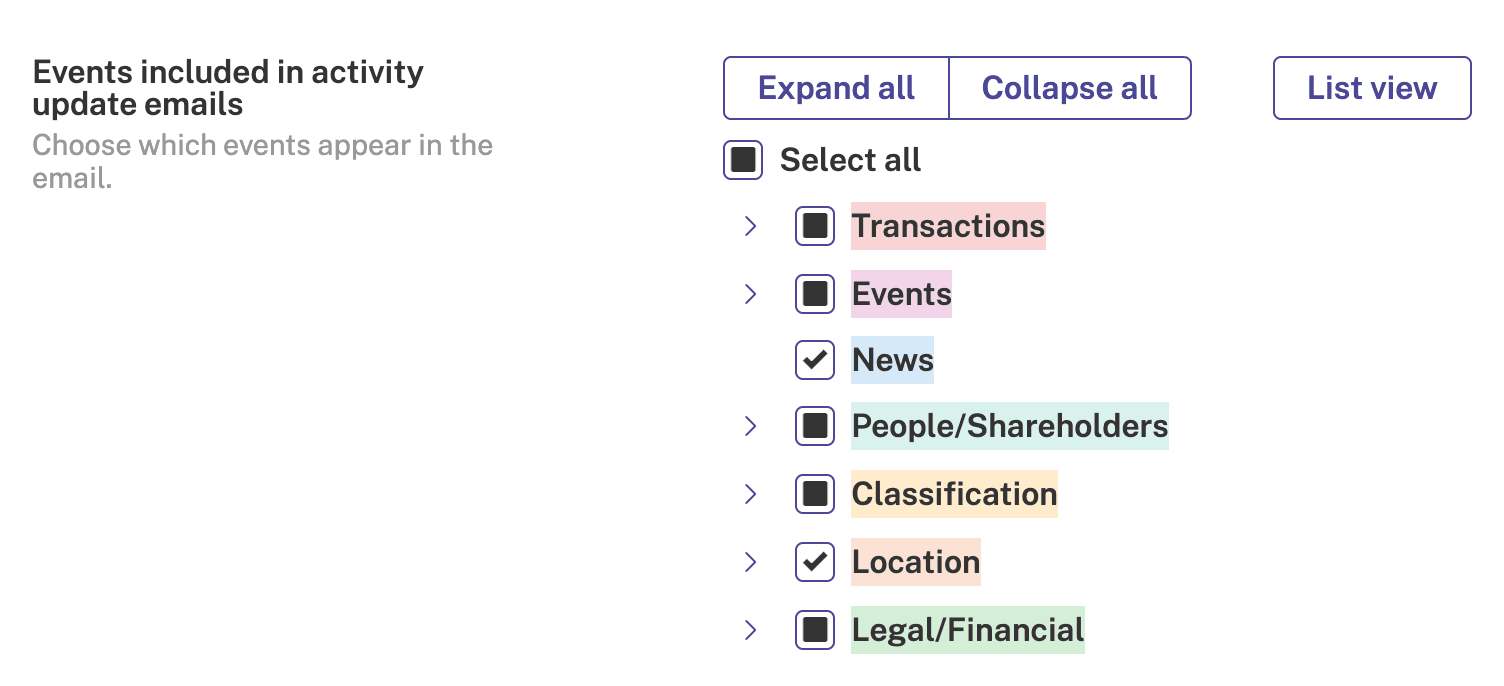
The best way to monitor this data is to set up a Collection. This means you can keep track of company news, with automatic updates straight into your inbox.

Choose from a number of insights to be alerted to, and which types of companies you’re interested in.

Screenshot of the Beauhurst platform

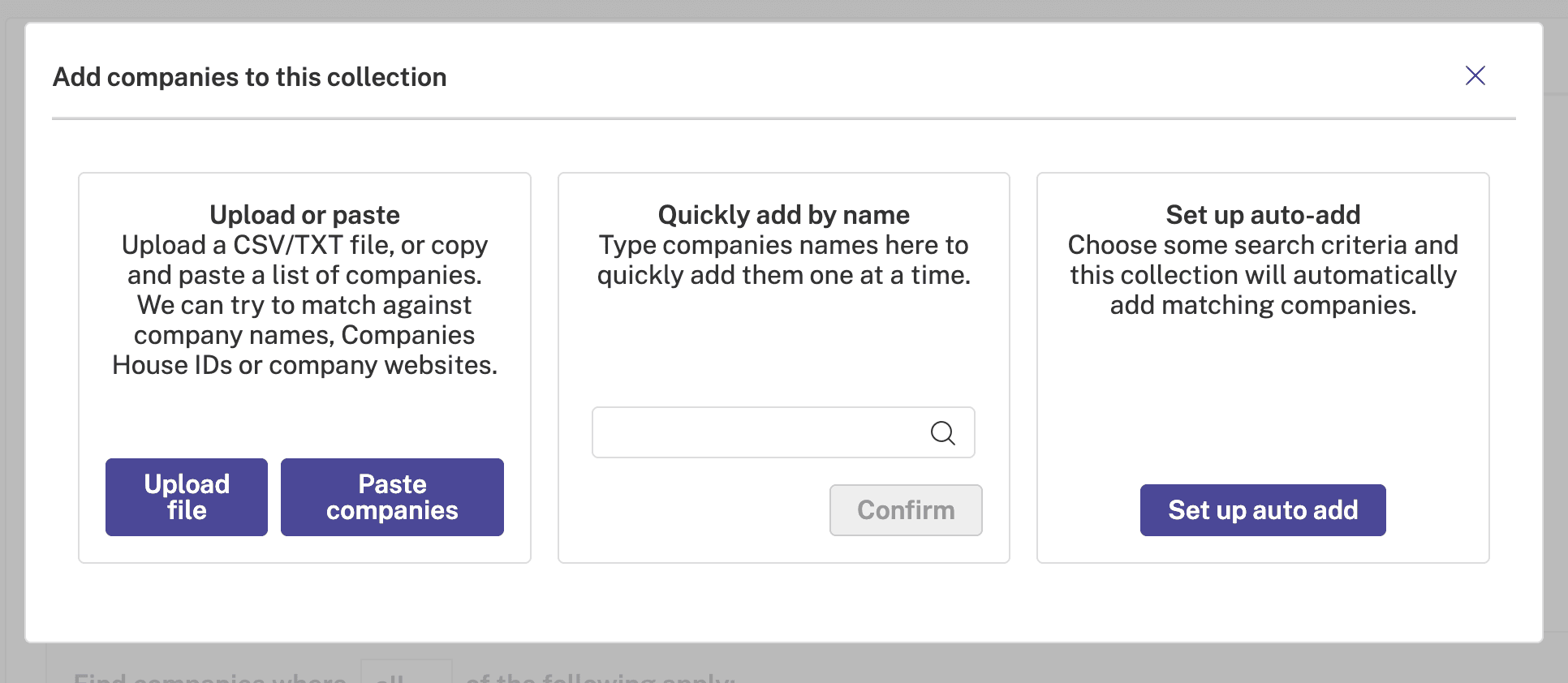
You can add companies manually if you already have a watch-list, or set up a Beauhurst advanced search to find companies that match your requirements.

See how it works for yourself in the demo below.

Try Beauhurst

Want to see the platform in action, and how it can support you in predicting company exits? Just fill in the form below and we’ll get back to you shortly.

FAQs

Beauhurst Invest logo
Ready to upgrade your approach?

Discover how BeauhurstInvest can help you make a real difference.

Explore BeauhurstInvest Now