Accurate, up-to-date information on businesses is not easy to get hold of. You can use free business registers such as Companies House and trawl through listings and PDFs manually, or use the Office for National Statistics (ONS) to view aggregated business data and trends. But while these can be helpful, they won’t give you the depth of information that you need.
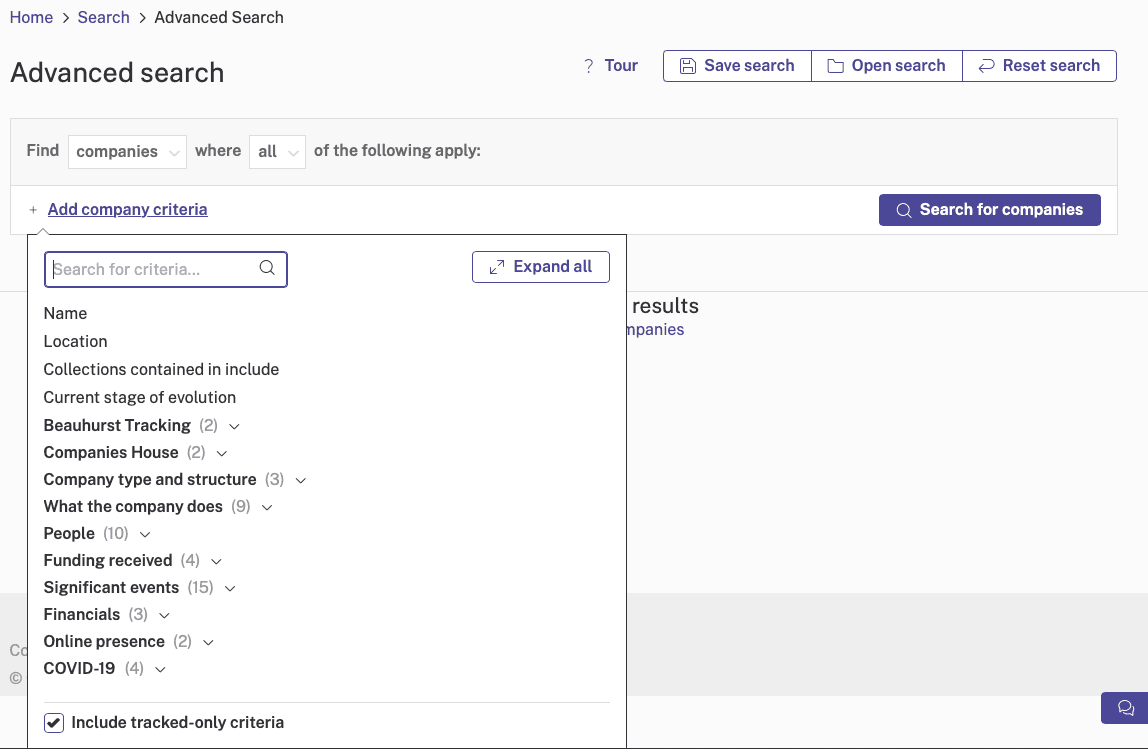
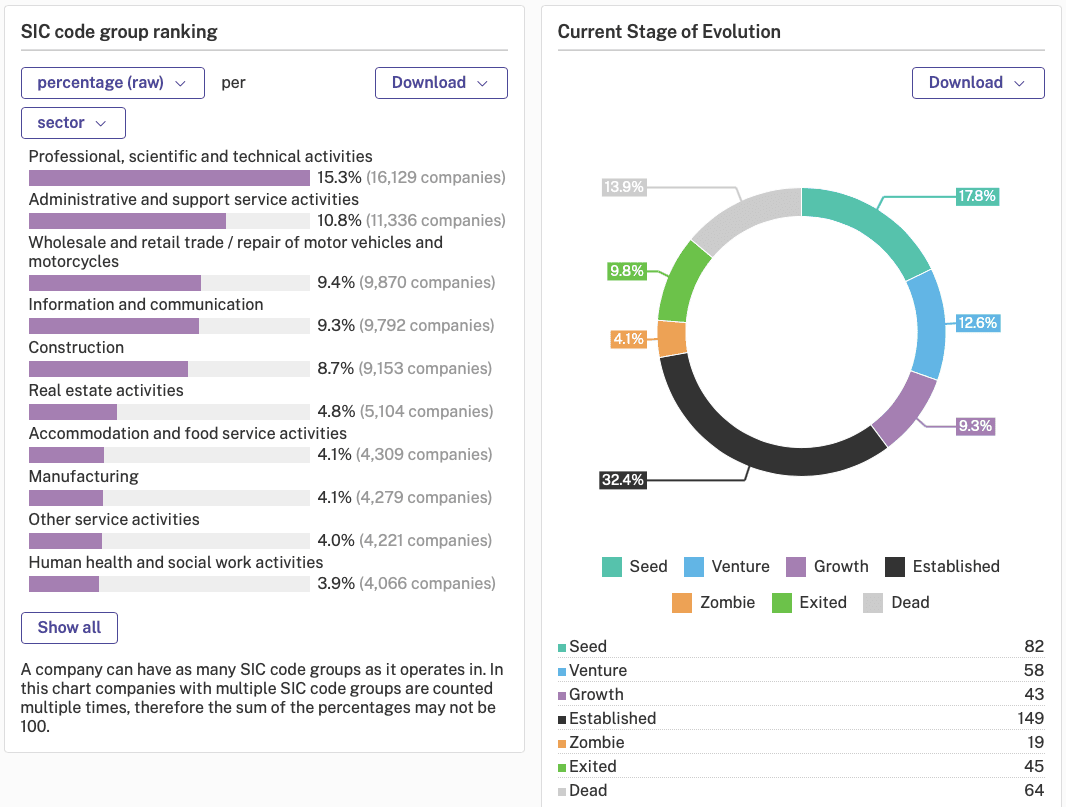
For instance, it’s difficult to search for businesses by sector using Companies House data. The system exclusively uses Standard Industrial Classification (SIC) codes to organise companies by sector. These categorisations haven’t been updated since 2003, meaning lots of the high-growth sectors in the UK, such as “fintech” or “artificial intelligence” are missing.
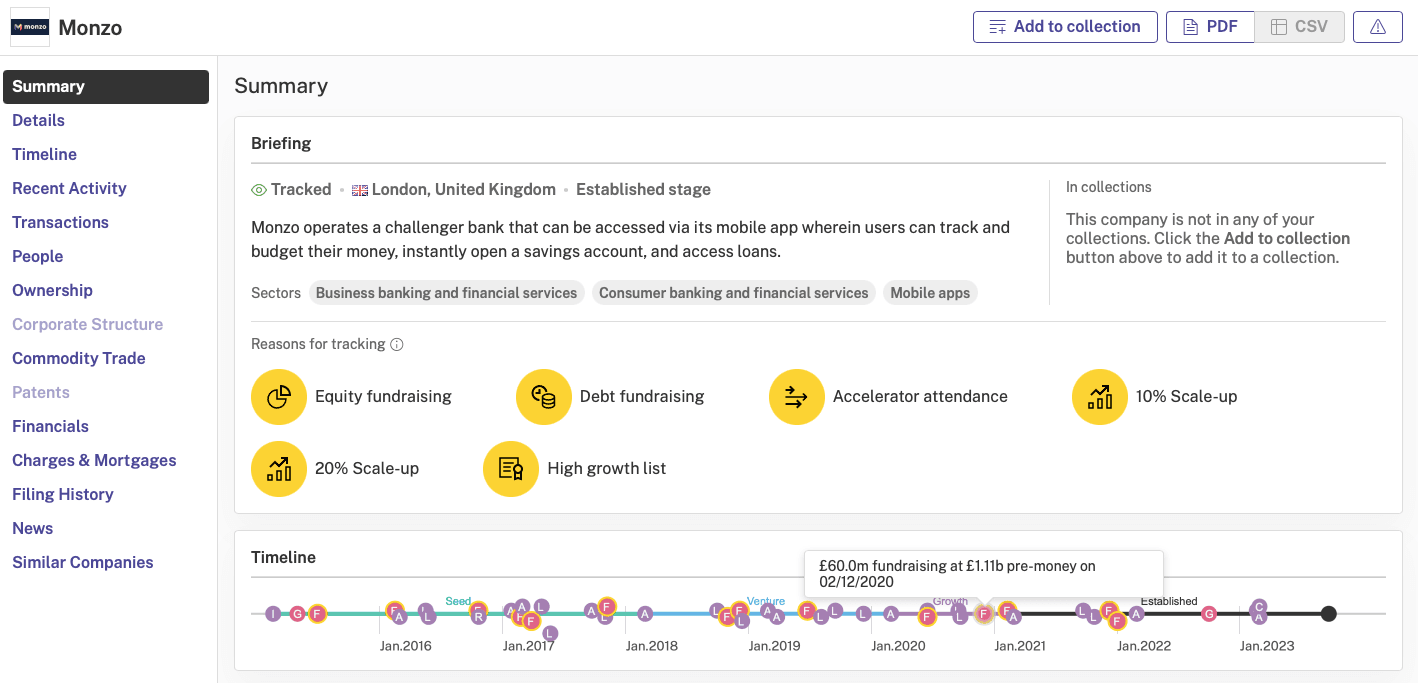
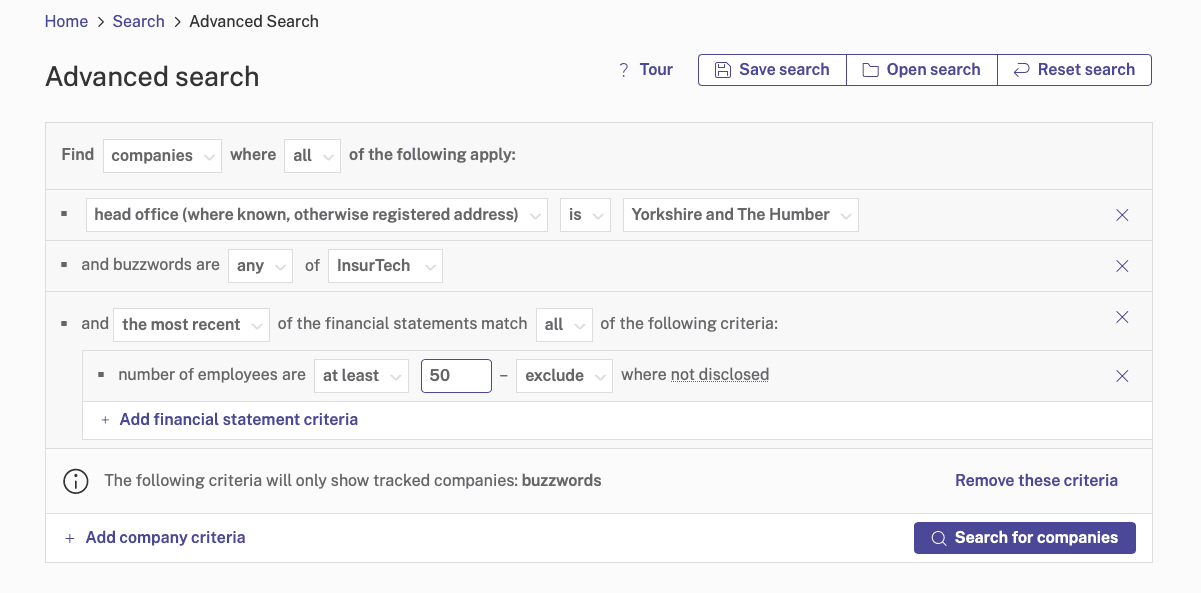
In contrast, one of Beauhurst’s platforms will actually give you what you need from a company information database. Our team of more than 60 data analysts use machine learning to compile data from real-time sources. We clean, standardise, and enrich the data to make it easy to search, compare, and deep-dive into any current or past UK business.
In this post, we’ll outline five ways you can use our UK company information database to access deeper, more structured information than you’d find anywhere else. We’ll tell you about how real-world companies and organisations are benefiting from our platforms.
Beauhurst has four products, tailored to universities, local governments & public sector, investors, financial & professional services, and sales teams. They all have access to our complete business database. Check out the one that’s right for you and book a demo to see how it works.
1. Access the deepest UK business data available anywhere
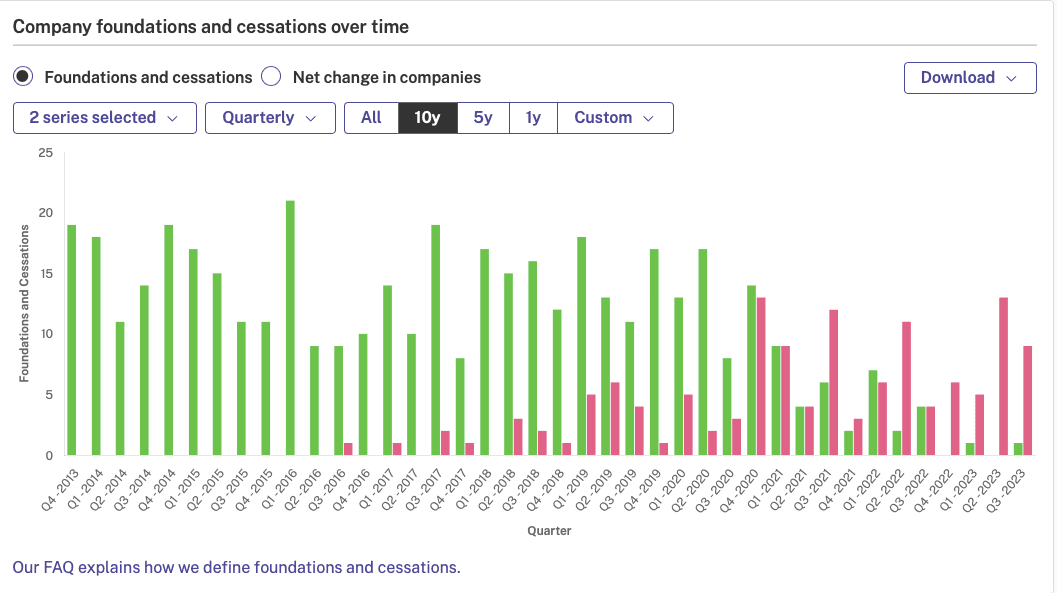
With Beauhurst, you can access the richest, most accurate, and most in-depth dataset of UK businesses available. Through our platforms, you’ll find information on nearly 13m companies (both active and inactive) that you can search, compare, and drill down into.
We bring together thousands of data points from a vast range of government and third-party sources—including HMRC, censuses, patent registries, the media, and private companies themselves. (We also use Companies House listings, but we’ve updated and enriched the information so you can search the latest sectors, including clean technology, SaaS, and more).
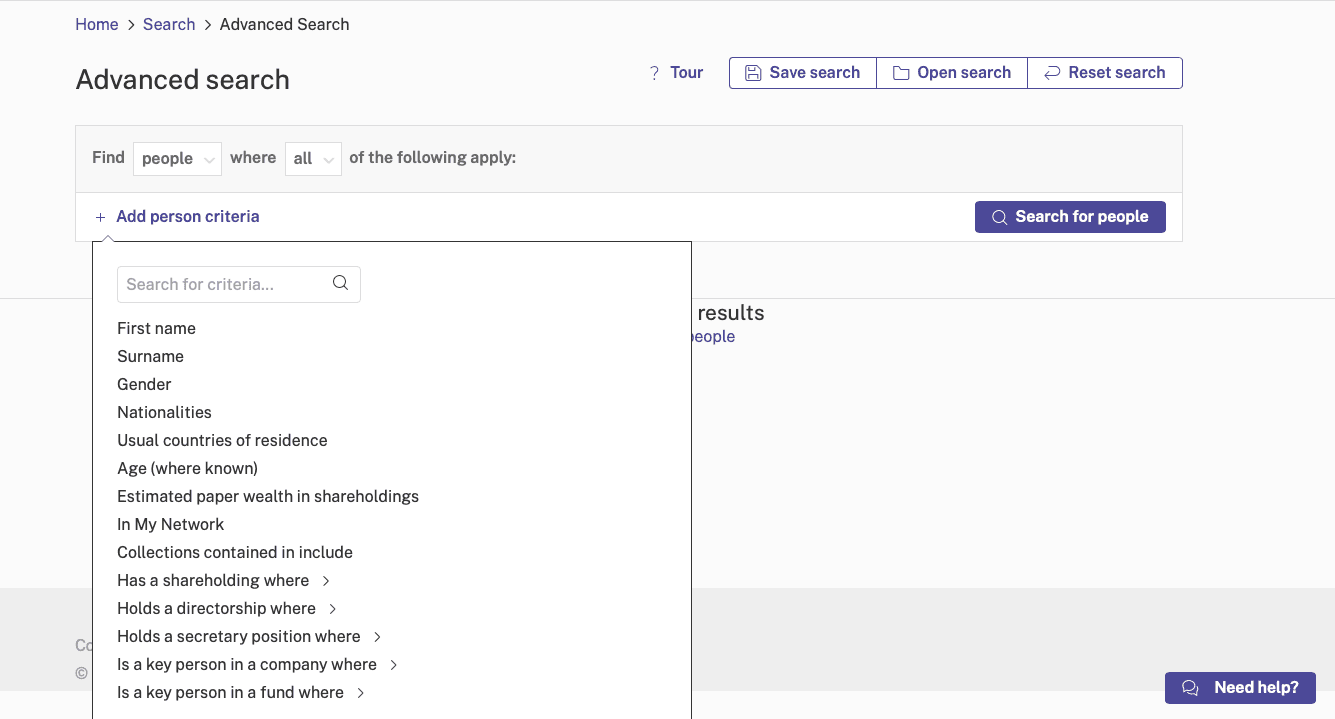
We clean up all this disparate business information and stitch it together, to create complete profiles of real operating companies (not just legal entities, which you’d find on Companies House and most other databases out there). You can then browse and compare these company profiles using filters to find the information that’s most relevant to you, including company holdings, ownership structure, people, transactions and much more.