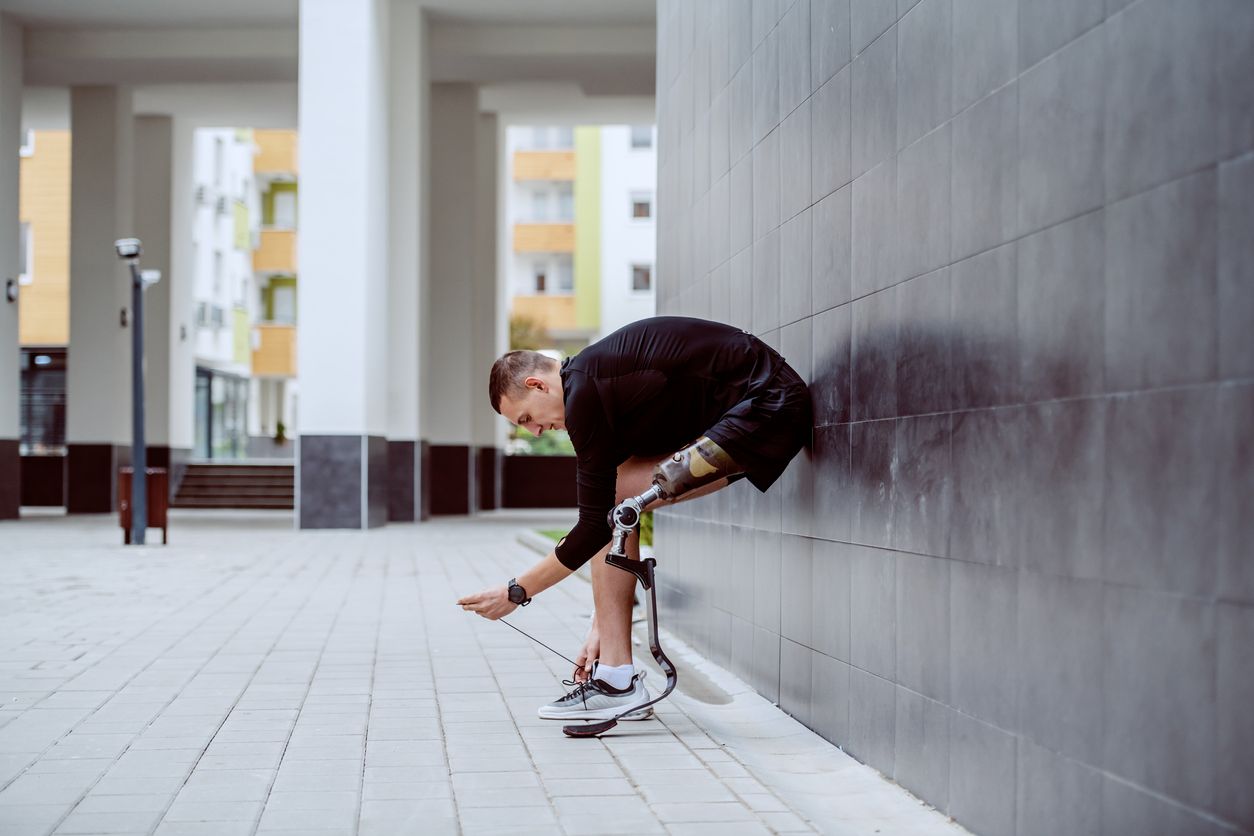
According to data published in 2018, around 22% (or 13.9m people) in the UK reported a form of disability. This means that around one in five people experience the government’s definition of disability at some point in their life.
In this article, we’re spotlighting some of the high-growth talent within the UK’s disabled community, as well as highlighting the resources and funding sources available for prospective founders with disabilities.
What do we mean by disability?
The most common disability in the UK, reported by 51% of people surveyed with disabilities, is mobility impairment. However, the 2010 Equality Act sets out that disability can be any long-term illness or impairment causing significant difficulty in a person’s life. Often, disabilities are invisible—deafness, chronic pain, or dyslexia, for example.
Categorisations can change over time, and there is often some overlap in disabilities: for instance, 24% of people reporting a disability also reported a mental health impairment. Some disabilities occur permanently, some progressively, and some in shorter terms.
Disability and entrepreneurship: the data
Over the past few years, the employment rate has consistently been around 30% lower amongst disabled individuals versus non-disabled. Yet the rate of self-employment is higher for disabled people: 18% of disabled men and 8% of disabled women are self-employed, versus 14% and 6% of people living without a disability.
Whilst an Australian study has found that the rate of entrepreneurship is 50% higher than average amongst disabled individuals, precise data on the economic contribution made by disabled entrepreneurs in the UK is scarce. We do have some metrics to go by, such as the Stelios Awards for Disabled Entrepreneurs, which clocked up a record number of entries in 2018 (and has since risen further).
Why might self-employment and entrepreneurship be more common amongst the disabled community? It isn’t because disabled individuals have greater access or more opportunities. Many contend, instead, that those with a disability are likely to be entrepreneurs out of necessity rather than choice. Disabled individuals face obstacles in the conventional job market: freedom of travel, discrimination, and workplace accessibility, to name a few. People living with disabilities often turn to self-employment and entrepreneurship because they need to create their own opportunities.
Despite the barriers they face—such as access to startup capital—disabled individuals may in fact be more suited to entrepreneurship, with greater empathy and understanding of niches that are often overlooked, offering solutions through lived-experience.
Disabled entrepreneurs may also be more “suited to the challenges of enterprise” as they’ve already “been through every challenge under the sun”—says Samona Williams, a 2018 Stelios Awards winner and founder of Cocoa To Thrill.
High-growth founders with disabilities
Alex Papanikolaou
Title: Founder and CTO
Company: Freedom One Life