For business-to-business (B2B) companies, taking time to develop your ideal customer profile is an important step in ensuring your sales and marketing resources are focused in the right area.
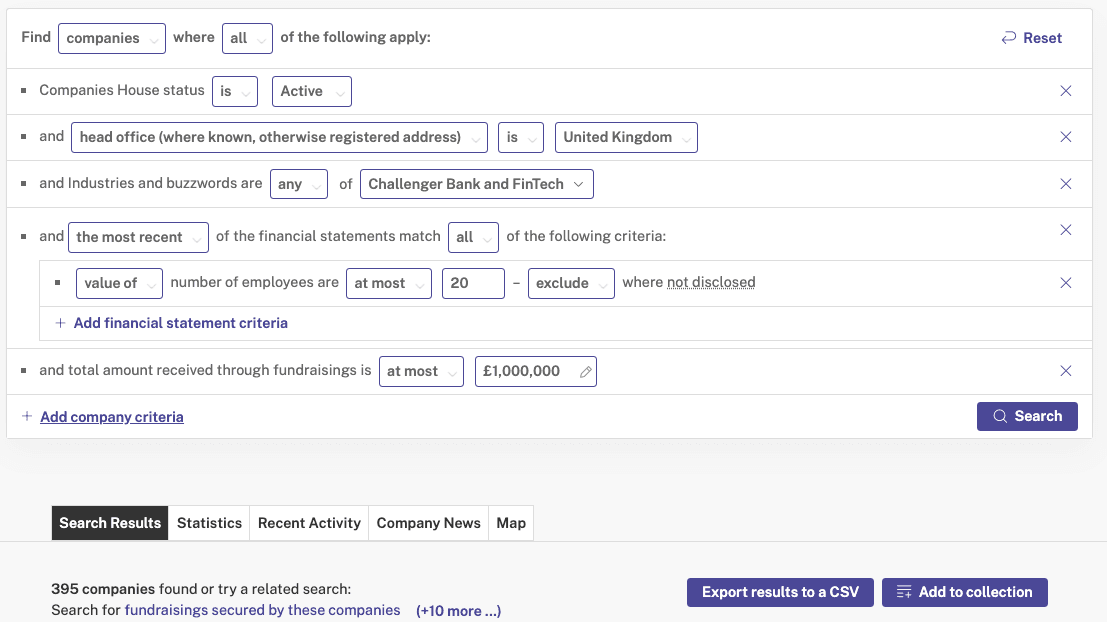
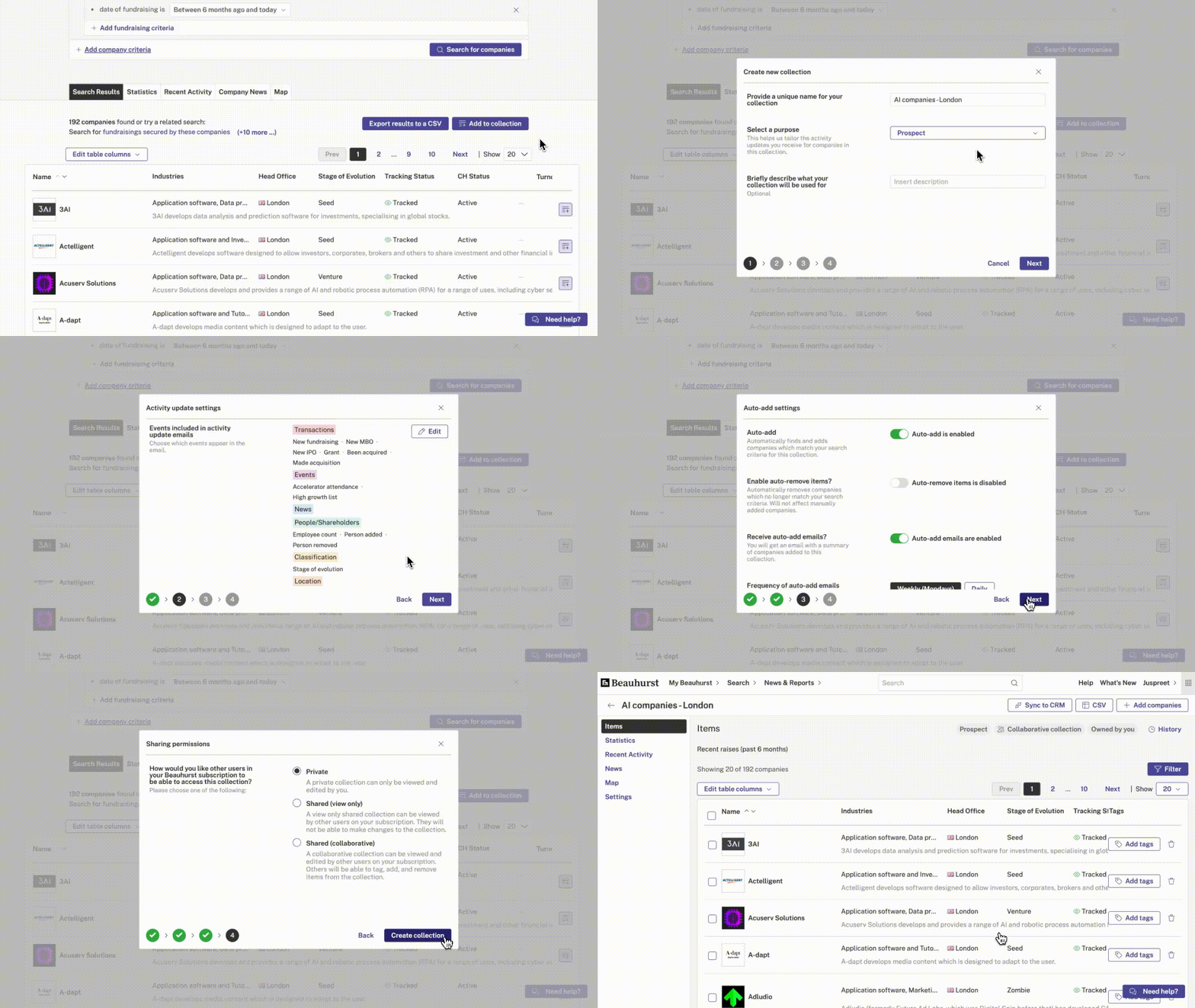
But where do you get started with this? Whether you’re starting from scratch, or simply refining an existing ICP, we’ll walk you through the essentials in defining that perfect customer — and showcase how a number of our clients use Beauhurst to find new opportunities.
What is an ideal customer profile?
An ideal customer profile (ICP) is a representation of the type of organisation that would most benefit from your product or service.
For B2B companies, this customer profile reflects both the type of customer that would gain genuine value from your services and the type of company your salespeople would ideally sell to, in order to bring in most lifetime value to the business.
You’ll likely already have an idea of this from your product development roadmap, where your team will have outlined the key target audience(s) your product or service is aimed at and the pain points it solves. However, formalising this into an ICP your commercial team can use is a vital step in shaping how you promote your product or service.
What about buyer personas?
Whilst they share similarities, it’s important not to confuse buyer personas with ICPs. Buyer personas refer to types of decision makers that sales teams could come across when approaching your ICP businesses.
For example, you may conclude that your ICPs are early-stage fintech businesses, and base your buying personas within those organisations on individual attributes, such as job titles and demographics.
Buyer personas are a way of building up some context around the people who make up your ICP.
Why should you create ideal customer profiles?
ICPs are a net benefit for your business in the long run. They form a key part of a more focused sales strategy that will ultimately cut costs associated with wasted time and outreach — and bring in more revenue as a result.
Here are a handful of practical reasons why creating an ICP can benefit your company’s outreach efforts:
Understanding your customer base will focus marketing messaging
Establishing an ICP will help with earlier-stage lead generation.
By better understanding your target audience, you can tailor your marketing campaigns to attract the right business demographics. For example, by creating material geared towards your ICP instead of producing general content on your product’s features, you can focus your messaging around specific pain points in those industries, company sizes, and other metrics that define this ideal customer.
This can generate a far healthier pipeline for your sales team.
Targeted sales processes are more efficient
Similar to the way in which targeted content marketing improves lead generation efforts, it’s no secret that time and energy are valuable resources to sales teams. This is especially true for B2B companies where sales cycles tend to be longer and potential customers require more attention from sales reps than in a B2C transaction.
Focusing on high-quality leads that are more likely to convert into sales saves a huge amount of your team’s resources. And this will save money otherwise spent on cold leads that are unlikely to convert into revenue.
If successful, a sales strategy geared towards companies fitting your ICP will generate more revenue and reduce costs on average — which means higher profits to stakeholders.
Your best customers can become evangelists for your business
Apart from the main effect on a company’s revenue, identifying ICPs and selling to businesses that most resemble them can result in a cohort of customers that are eager to become evangelists for your product.
Customers getting genuine value from your product will either formally (thorough testimonials or case studies) or informally (via word of mouth) vouch for the quality offered by your business.
Getting your customer base to resemble your ideal customer profile is also likely to result in returning customers, and thus a higher lifetime value derived from those businesses.
Simply put, it’s cheaper to retain a customer than to win over a new one.
Identifying your ideal customer profile can inform future product development
Finding your ICP can also be of great help to product teams. It makes sense to tailor your product to the needs of a specific customer type that you know will make use of new developments.
And once your customer base starts to resemble your ICP, you can go directly to the source and adopt a more user-led product development strategy, by taking in direct feedback from your clients.