Understanding what’s really going on in your local economy, as a council or university, has never been more important — especially as budgets get tighter, scrutiny increases on spending, and every decision needs to be backed by evidence. Access to accurate, real-time economic data at a local level is critical to making your case for further funding, and proving that funding’s impact.
But getting this data isn’t straightforward. Many councils and universities find themselves dealing with outdated reports, fragmented sources, or overly broad national statistics that don’t reflect the specific needs of their communities. That’s why more detailed, localised insight is so important.
Enter BeauhurstImpact. Our platform was built with these challenges in mind. It brings together complex, hard-to-find data on all businesses, industries, and local economies, and transforms it into actionable insights.
Why local economic data matters
Having the right local economic data can make a big difference. When decision-makers have a clear picture of what’s happening in their towns, cities, or regions, they can take action that’s actually grounded in reality, not guesswork.
Local economic data is therefore essential for councils trying to make smart, targeted decisions. It helps them understand what’s really happening in their communities — whether that’s rising unemployment, declining high streets, or growing demand for certain services. With that insight, councils can develop policies and public services that actually meet local needs.
It also plays a big role in planning and prioritising resources. From deciding whether to invest in transport or skills training, to backing up funding applications with solid evidence, local data gives councils the tools to act with confidence and accountability.
For universities, this data adds real-world depth to academic research. It allows researchers to explore issues like regional inequality, labour market trends, or the impact of policy interventions with much greater accuracy and relevance.
This kind of data doesn’t just strengthen the quality of the research, it also supports successful funding bids. Grant providers increasingly expect projects to demonstrate local relevance and potential impact. With robust local data, universities can make a stronger case and deliver impact across the UK and locally.
Challenges in finding economic data
Getting hold of the right local economic data isn’t always straightforward. One of the biggest hurdles is fragmentation — in other words, the information you need is often scattered across different sources, with no easy way to bring it all together. That makes it hard to get a full picture without spending a lot of time and resources researching manually.
Another common issue is that much of the available data is outdated by the time it’s published. In fast-moving economies, decisions based on old statistics means poorer results.
It can also be tough to get a clear view of business activity at a local level. While national trends might be easy to find, identifying which areas are home to high-growth companies or emerging industries often requires more detailed, harder-to-find data.
What to look for in a local economic data platform
To make better decisions, you need a platform that does the hard work for you — bringing together reliable, relevant data in one place. Here’s what really matters:
Up-to-date data
The more current the information, the more useful it is. Timely data helps you respond to changes as they happen, not months later.
Granular geographic breakdowns
Whether you’re focused on a city, town, or specific neighbourhood, you need the ability to zone in on the places that matter most to your work.
Insight into business dynamics
Look for platforms that go beyond the basics, providing visibility into high-growth companies, investment flows, and how different industries are performing locally.
Ease of access and visualisation
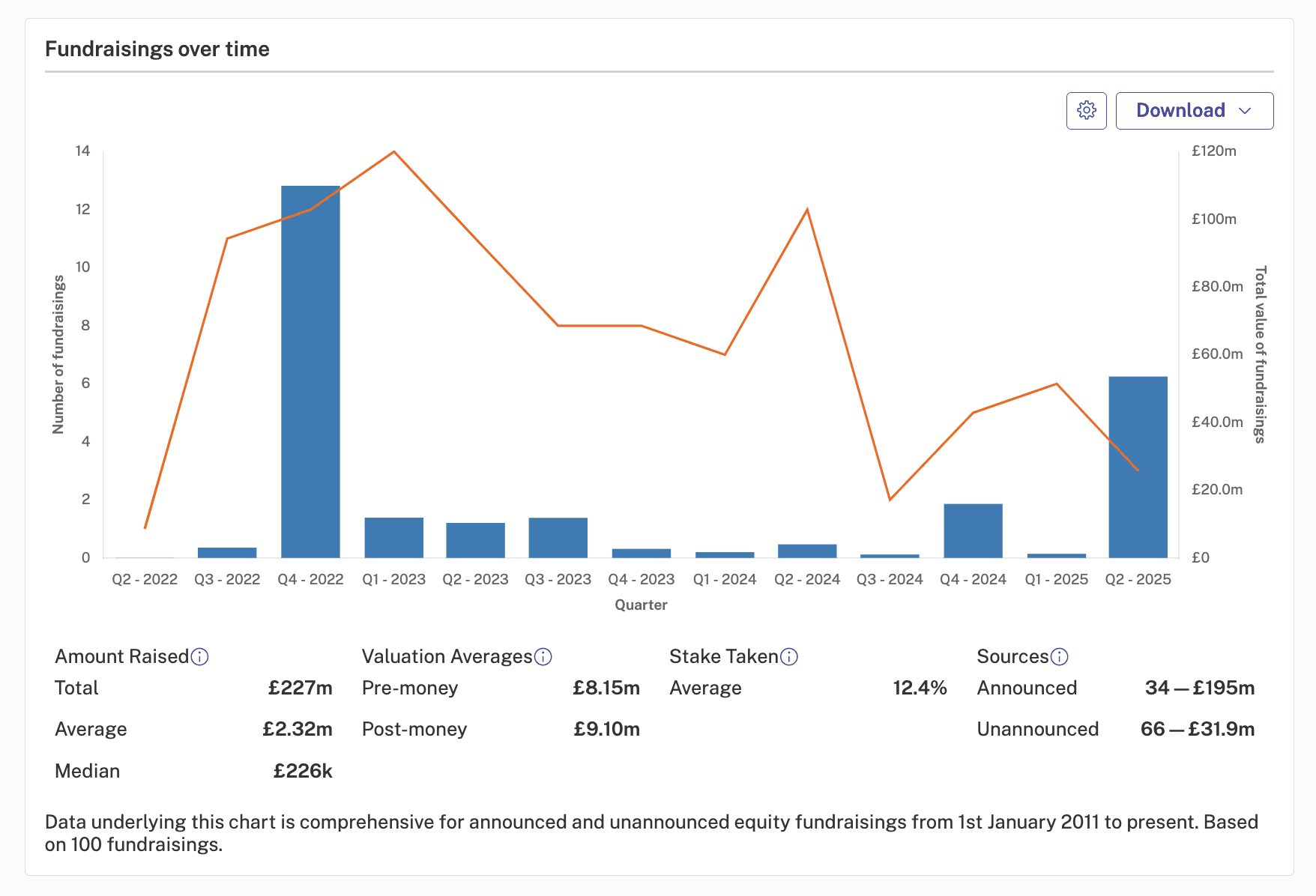
Data should be easy to explore and understand. Clear dashboards, maps, and charts can help you quickly spot trends and share findings with others.
In short, the right platform turns complex data into clear, local insight. Meaning you save time, reduce guesswork, and can take action with confidence. Our BeauhurstImpact platform is the perfect solution for finding this data.
How BeauhurstImpact helps you access local economic data
First off, what is BeauhurstImpact?
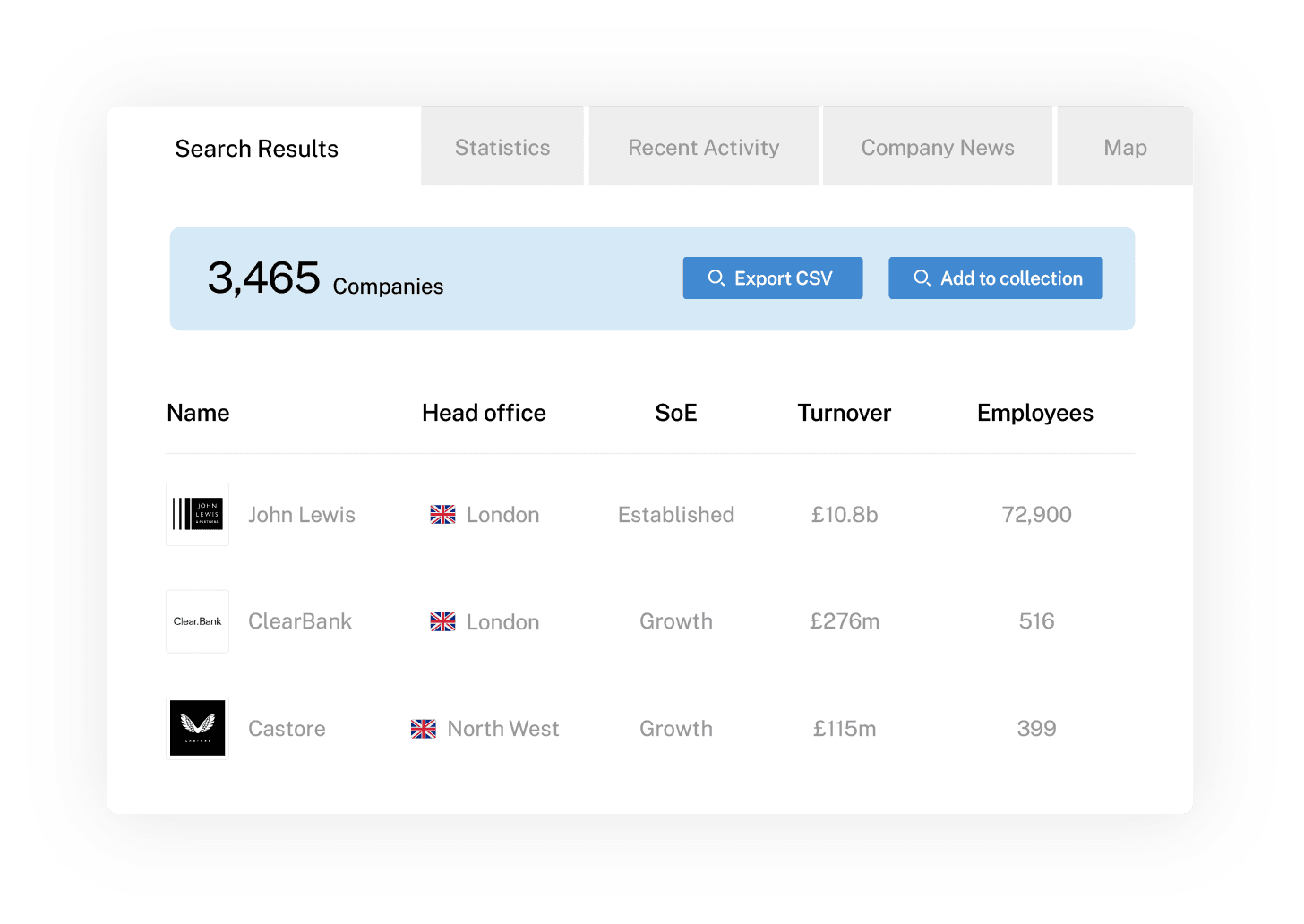
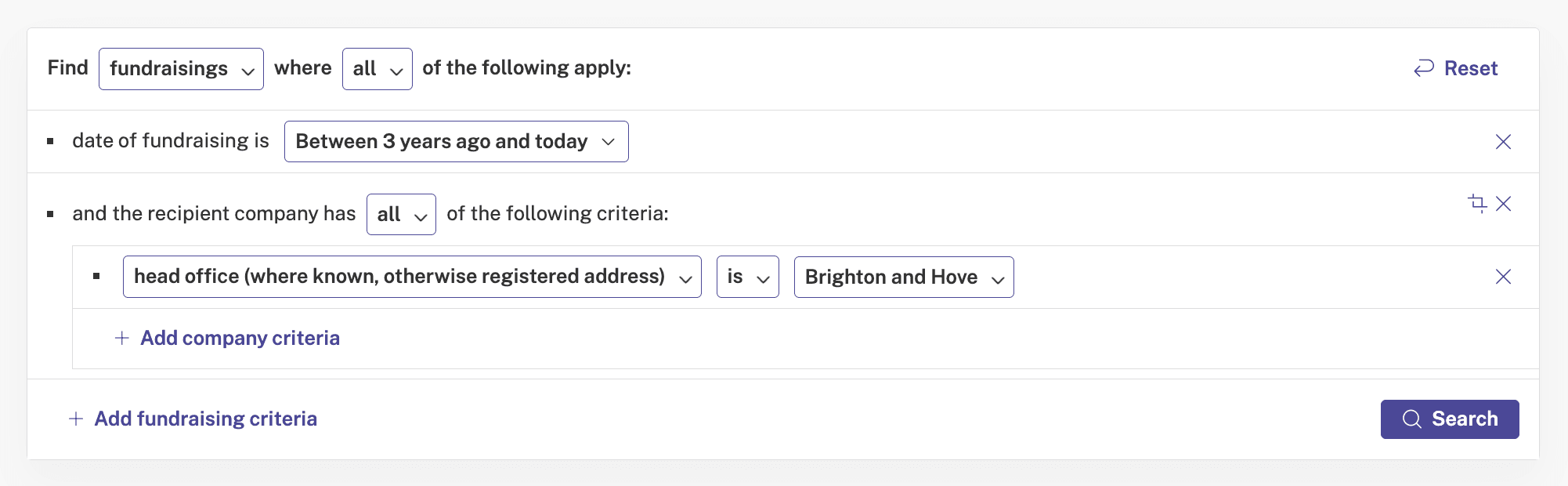
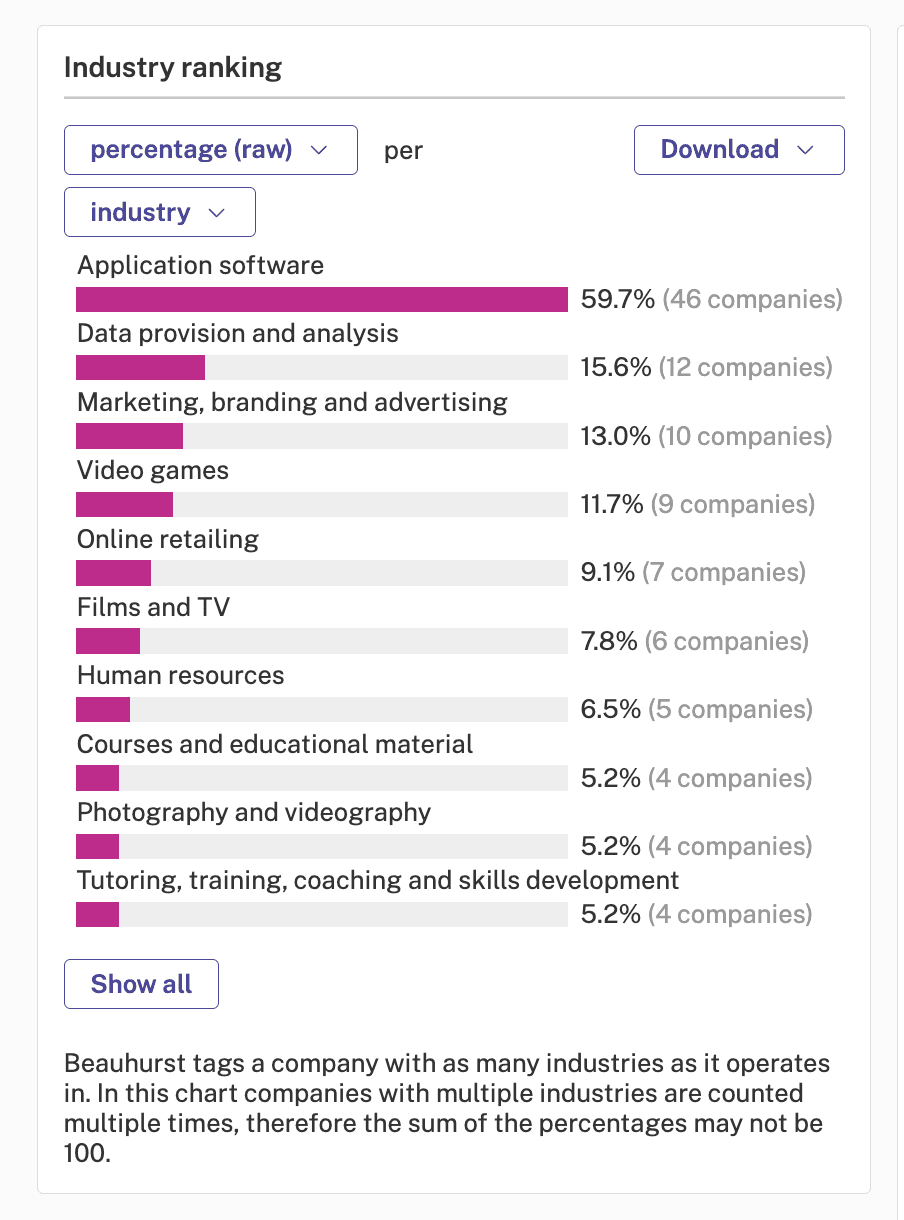
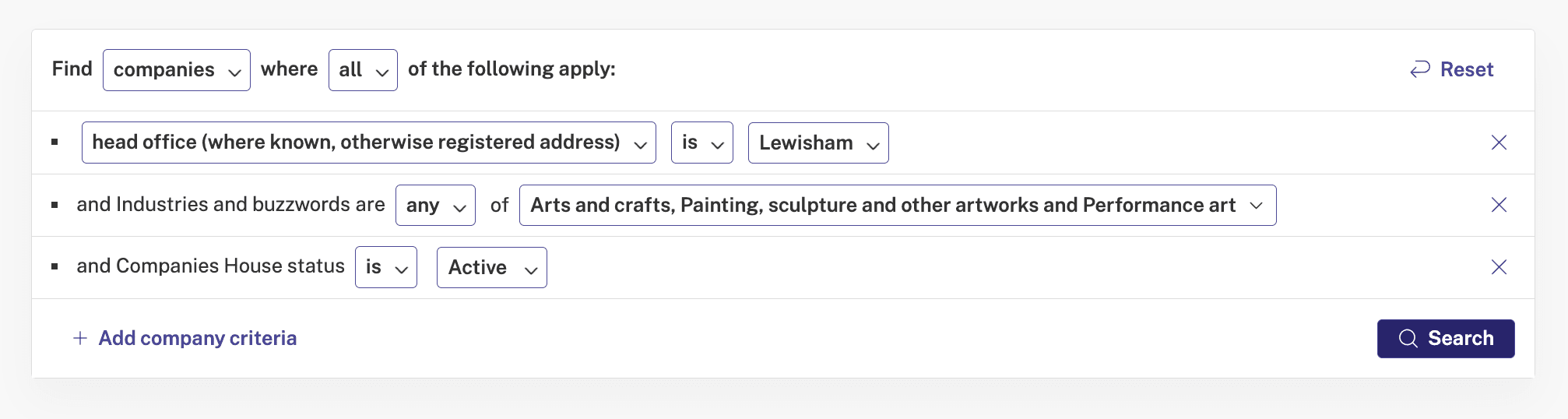
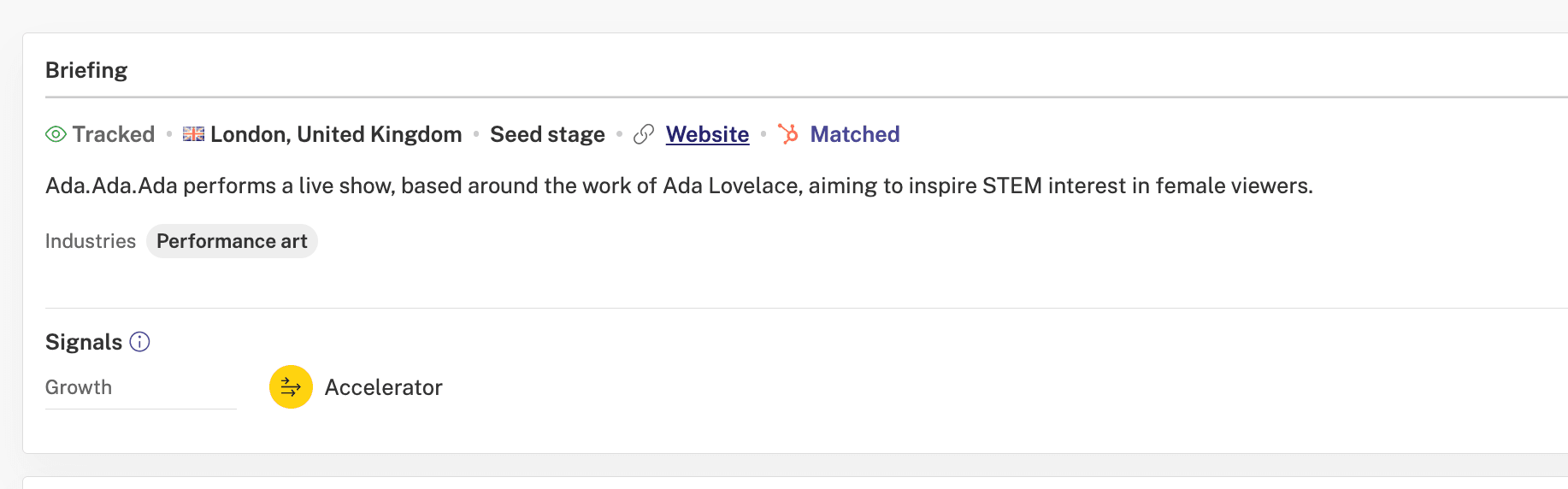
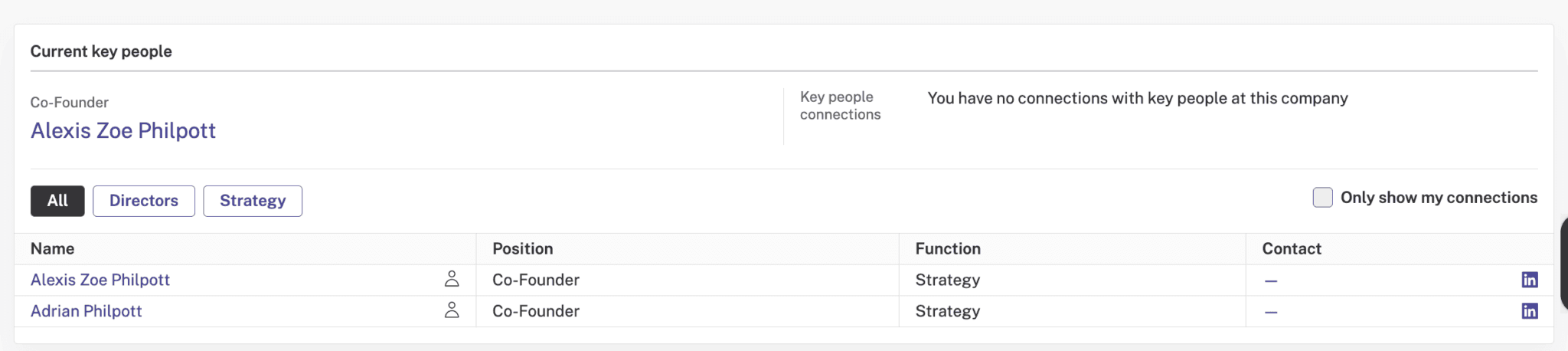
BeauhurstImpact is our specialist platform built to make local economic insights simple, clear, and actionable. It brings together rich, real-time data on businesses, industries, investment, and economic performance, so you can see what’s happening right now, in the places that matter to you. The platform has rich, live profiles for every single company in the UK, and allows you to filter and search over thousands of datapoints including company location, industry, growth and investment trends, news, and more.
Councils
BeauhurstImpact helps local councils by offering a centralised, real-time platform to understand, support, and grow their local business ecosystems. By bringing together accurate data on every UK (and German) company, councils can:
- Map and monitor local sectors—identifying high-growth firms, spinouts, and those needing support—rather than relying on outdated spreadsheets
- Generate inward investment by targeting companies poised to scale, using events like funding rounds, accelerator participation, or high-growth list features
- Benchmark performance, comparing metrics (e.g. company growth, funding, employment) across regions to reveal strengths and weaknesses
- Track impact with ease, using transaction data and custom dashboards to measure interventions and report on KPIs
- Enrich CRM systems via API integration, enabling automated alerts and unified collaboration across council teams
- Enhance economic insight through ESG signals, helping councils align business support with sustainability goals
Universities
BeauhurstImpact helps universities and higher education institutions discover, support, and measure the success of spinouts, research partnerships, and commercial engagement — and enables them to:
- Identify strategic partners by quickly locating innovative, aligned companies for research collaborations and KTPs, with filters for sector, funding, ESG, and more
- Track university spinouts and funding by monitoring spinout companies, grants, investment rounds, and acquisitions to stay ahead of key developments
- Compare the performance of your university’s spinouts, alumni companies, and partnerships with others
- Find investors and advisors by surfacing the right funding sources and expert contacts who understand the university spinout landscape
- Conduct due diligence and benchmark performance by using reliable company data, including financials, team size, patents, shareholders, and corporate structure
- Streamline reporting and impact measurement by automating outputs for HEBCI and REF-style returns, and tracking growth and ROI over time
- Spot market trends and opportunity gaps by analysing sectors, technologies, and funding activity to shape new programmes and strategy
- Integrate ESG values by using ESG insights to align university partnerships with sustainability and institutional priorities