Intent signals can be an effective way for B2B marketing teams and sales teams to identify buyers that are interested in your product. Read on to discover more about B2B buyer intent data, and the benefits and drawbacks associated with it. We’ll also explore how Beauhurst’s growth signals can do the job of intent data more accurately and efficiently.
What is intent data?
Intent data reveals a person or business’ intention to buy a good or service, based on their online behaviour. There are three main types of intent data: first-party, second-party, and anonymous.
Different types of intent data
First-party intent data: All the information you collate on known contacts. Common examples of this kind of data include interactions with your website, social media, and marketing campaigns.
Third-party intent data: Information that can be gathered from other online sources, usually mined by bespoke intent data providers.
Anonymous intent data: This involves identifying and mapping a visitor’s IP address to their company name at a later date (either through first-party collection or via a third-party website).
Examples of common intent signals
Some common behaviours to look out for that signal purchase intent include:
- Searching for products or services like yours
- Researching your competitors
- Reading related or relevant content to your business
How effective is intent data in B2B sales?
Key benefits of intent data
Identify new leads, before your competitors: Knowing who is researching your product enables you to contact potential customers earlier.
Prioritise leads by their intent: You can also use intent data for lead scoring (deciding which prospects should be contacted first, based on their interest and likelihood of buying).
Learn more about your target audience: By classifying leads according to their intent, you’ll gain a deeper understanding of your ideal customer profile (ICP).
Personalise your outreach: Be better prepared for that initial sales call or email by knowing what topics and questions your leads are researching.
Drawbacks of intent data
Inaccurate third-party data: If using third-party intent data, there’s never a guarantee that the information you have is verified or up-to-date, which can lead to costly mistakes.
It’s limited to online behaviour: Basing decisions solely on online behaviour has its risks—face-to-face conversations can greatly influence customer opinions and behaviours, so intent data will only ever give you a partial picture.
You can’t rely on intent data alone: A salesperson also runs the risk of not reaching enough of their audience if they only focus on intent data (and are thus overly-targeted in their approach).
It’s retrospective data: Intent data can only show you past behaviour and intentions often change throughout the buyer journey. Predictive datasets, on the other hand, indicate future potential.
Beauhurst growth signals
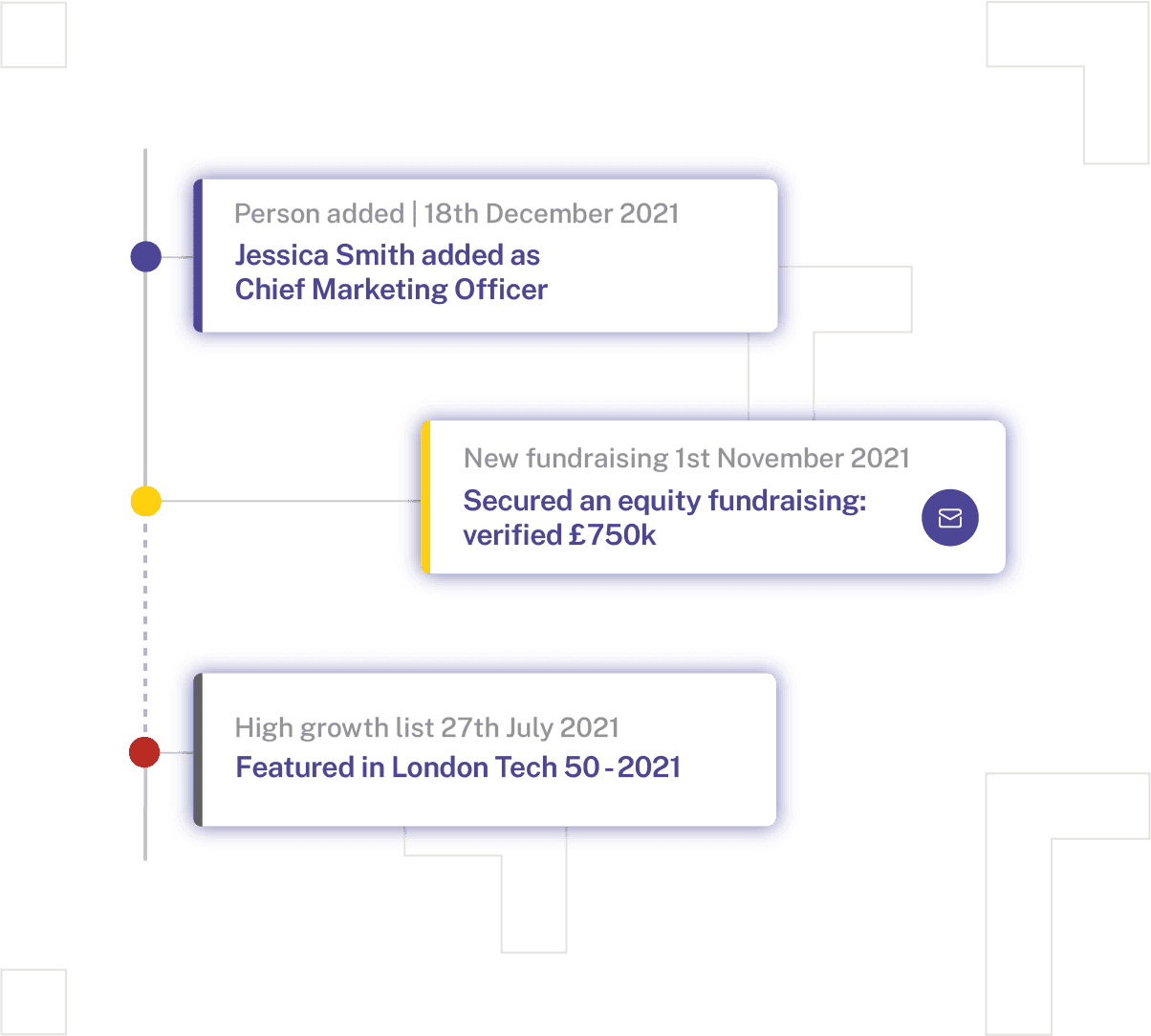
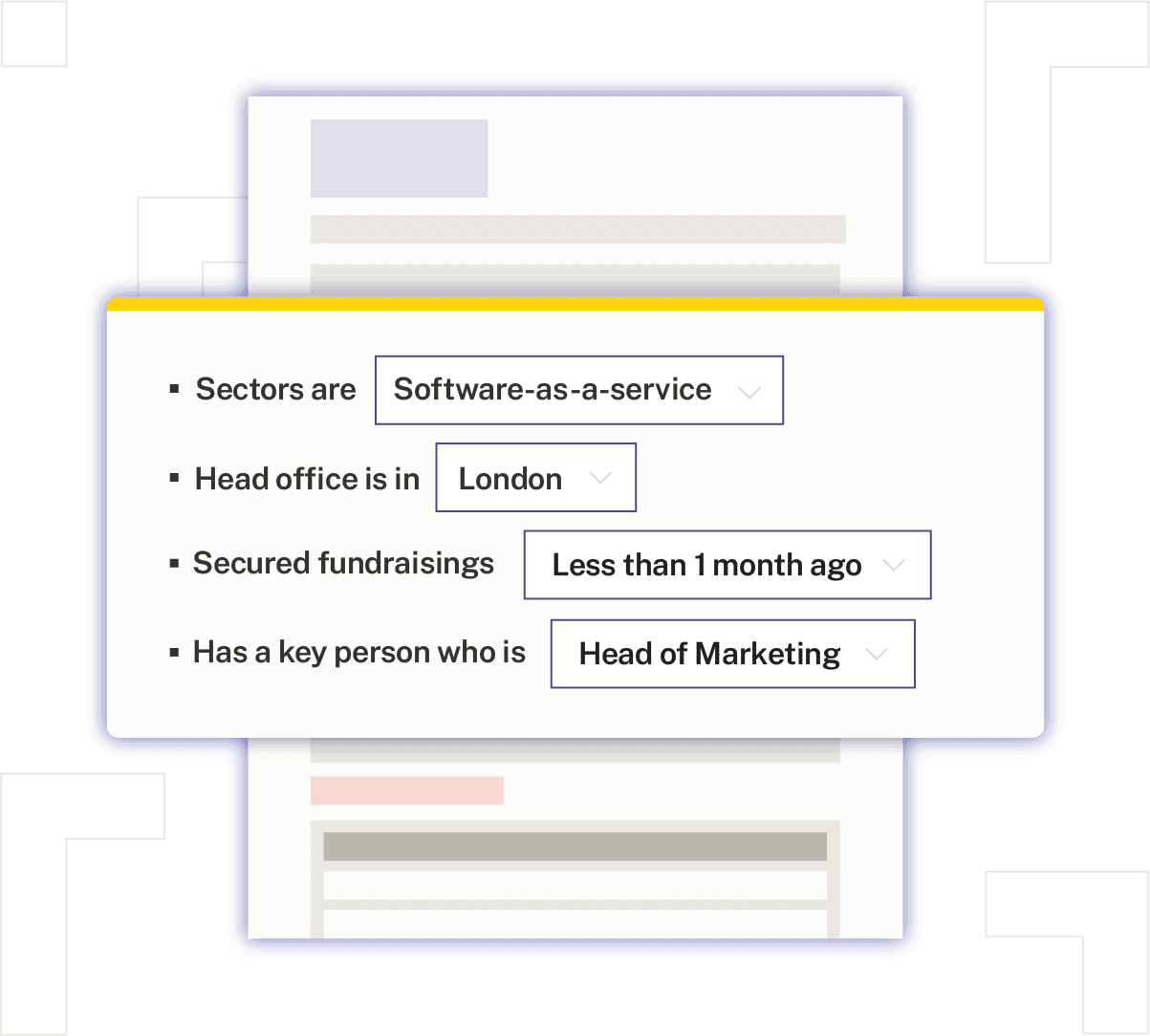
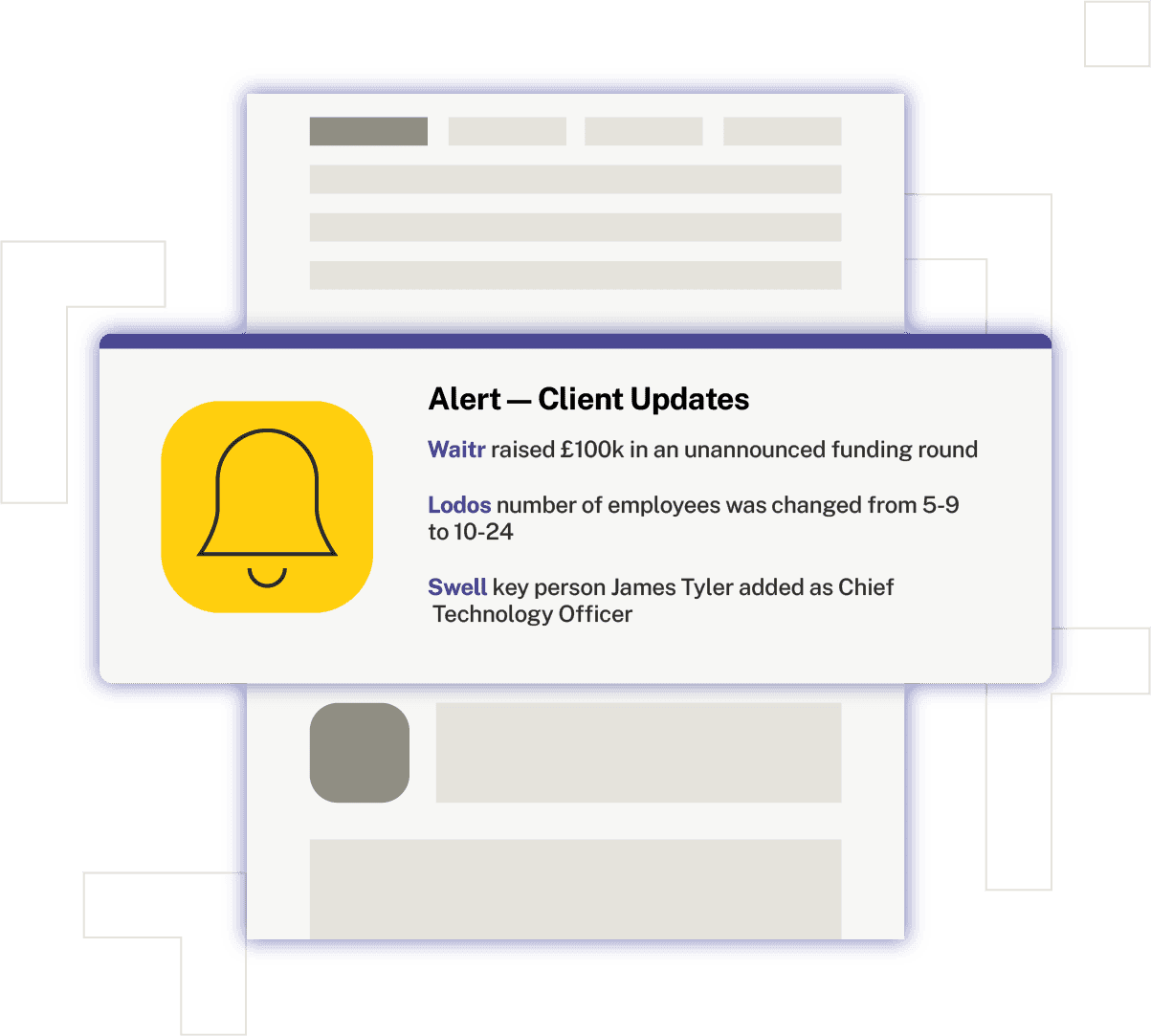
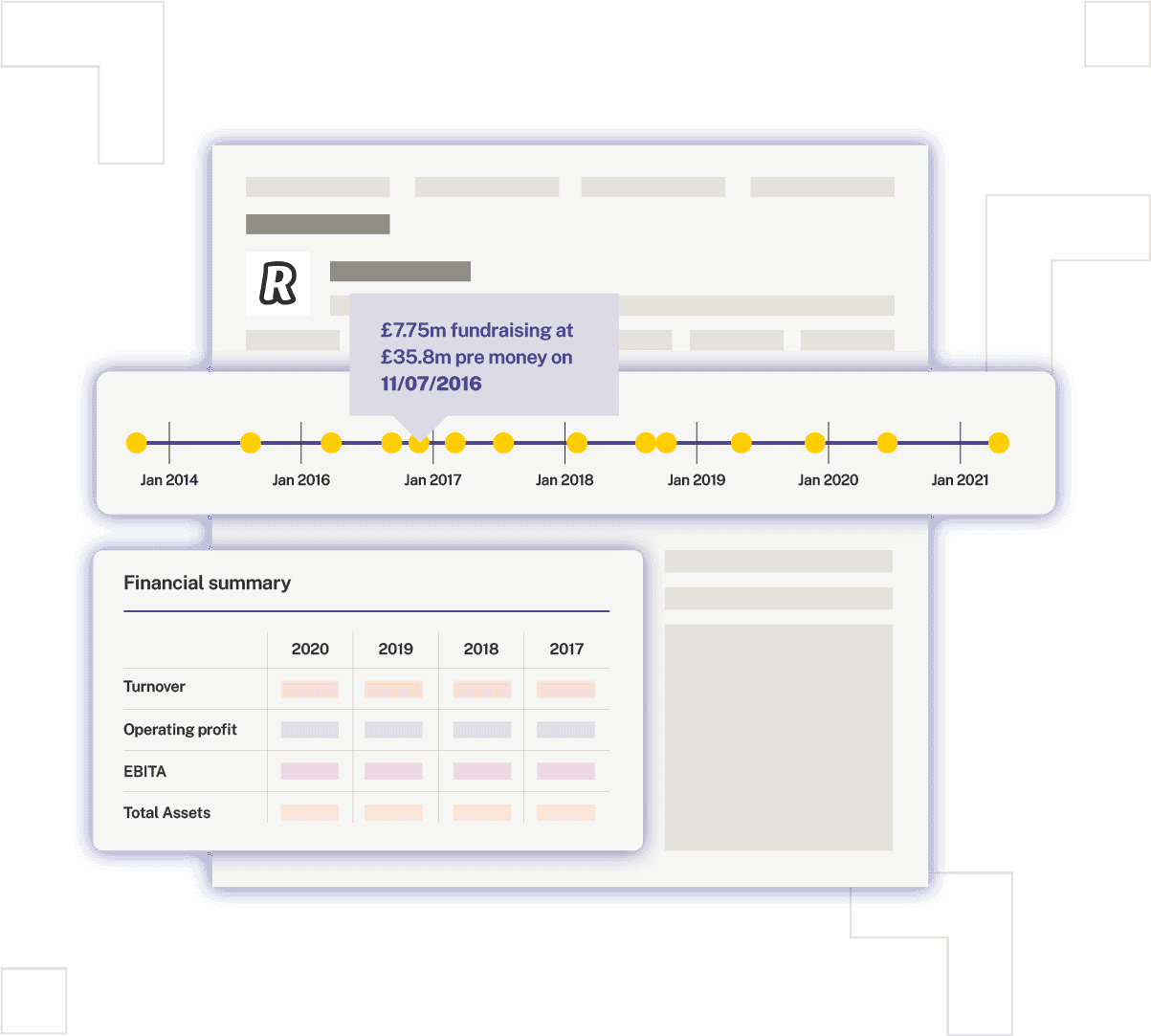
How can you predict that a business will need your product or service in the future? Here at Beauhurst, we look for certain trigger events that indicate a company is growing fast. Many of these signals are more subtle indications of intent, and are hence likely to fly under the radar of your competitors.
Below are some example alternatives to B2B intent data (all of which are tracked on the Beauhurst platform):
- Actively hiring
- Increase in headcount
- Recent fundraising
- New key hire
- Expansion mentioned in the news
- New office location