Company data platforms can be used for a number of commercial uses, including lead scoring, finding new companies based on your ICP, and enriching your CRM with high-quality data. But one of the key uses of firmographic data is account tiering and segmentation. And while you may not have heard that term, it can be called a number of different things such as territory prioritisation, lead scoring, company sizing — the list goes on. Every team uses its own lingo but for this article we’ve primarily used the term account tiering.
In this article we’ll dive into all the different data points available on the Beauhurst platform to help your team map out small, medium, and large companies — and how to use them effectively for segmentation purposes.
We’ll also highlight key data points available on the platform that can help you assign higher or lower priority to your teams’ accounts.
Why you should be account tiering
BD fails without prioritising leads
The main reason to do account segmentation is productivity and efficiency. This means making sure the right leads go to the right parts of the business, where the right resource and skill can be made use of, ensuring no potential opportunities are wasted, while conversion rates and contract value are maximised.
Without doing this, companies will trend towards lower conversion rates, a poor customer experience, and often disgruntled reps. This is where account segmentation and tiering come in, helping you navigate the complexities of working with companies of different sizes, and prioritise the right accounts.
However, getting the right data in place is vital to creating a reliable segmentation process or account tiering list. Without data you can rely on, your sales reps can’t properly forecast the value of opportunities, leading to a lack of adoption and trust in the data.
Key data points for identifying companies by size
Avoiding small deals and “we have no budget”
Revenue
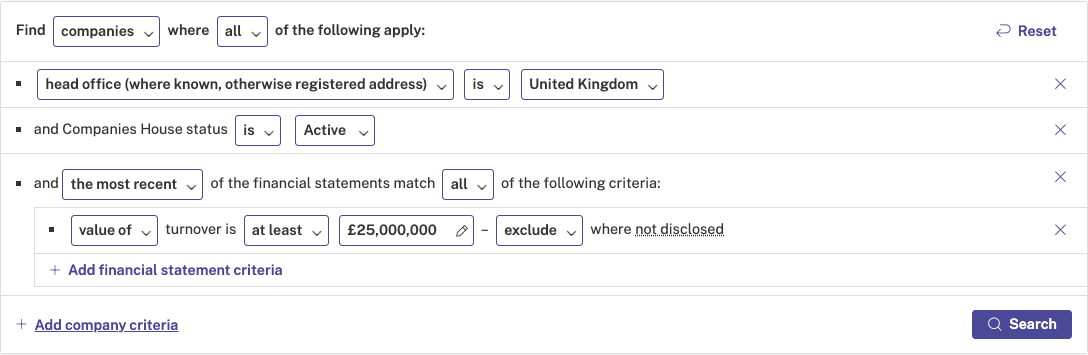
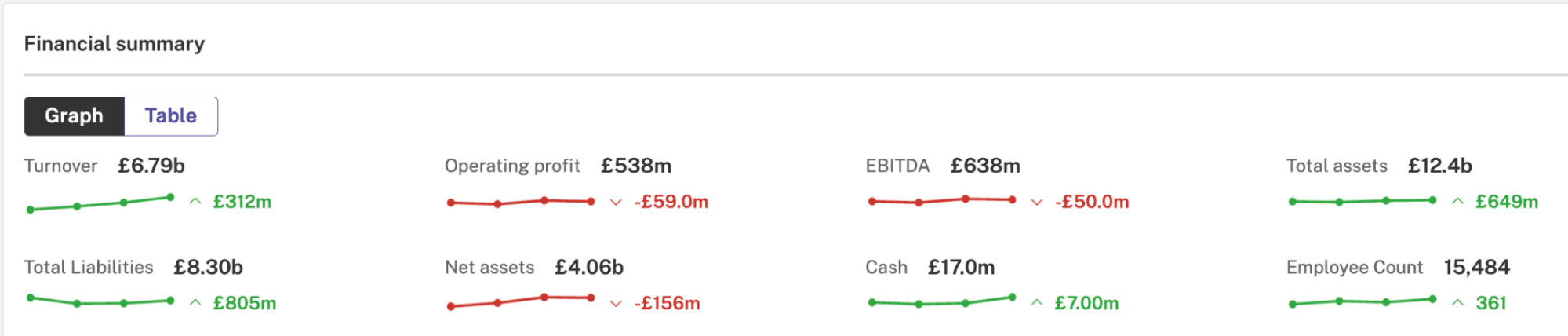
Turnover, or revenue, is often used as a means of tracking businesses’ performance. It offers a clear, quantifiable view of business scale — particularly at the medium and larger end of the market.
When available, revenue can help you benchmark company size, assess commercial potential, and understand whether a business is growing, stagnant, or in decline. It’s also one of the few indicators that allows for like-for-like comparisons across sectors, provided you’re interpreting it within the context of a company’s broader financial figures.